
Vestibular Physiotherapy for Dizziness & Vertigo in Edmonton
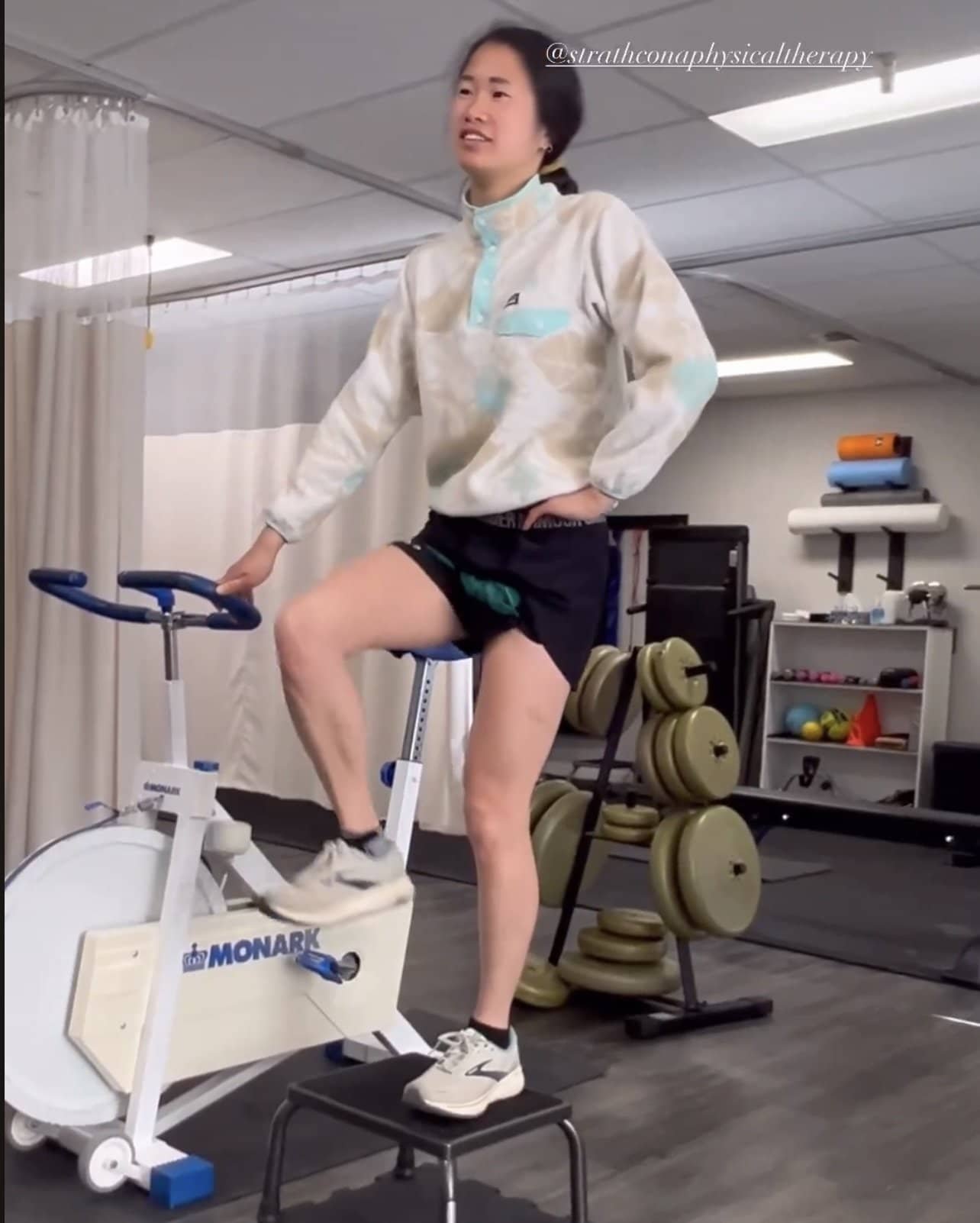
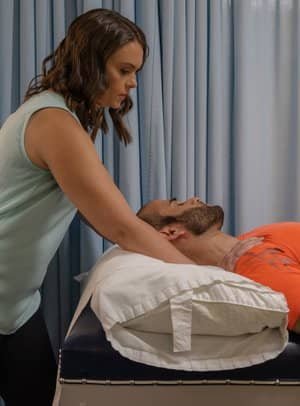
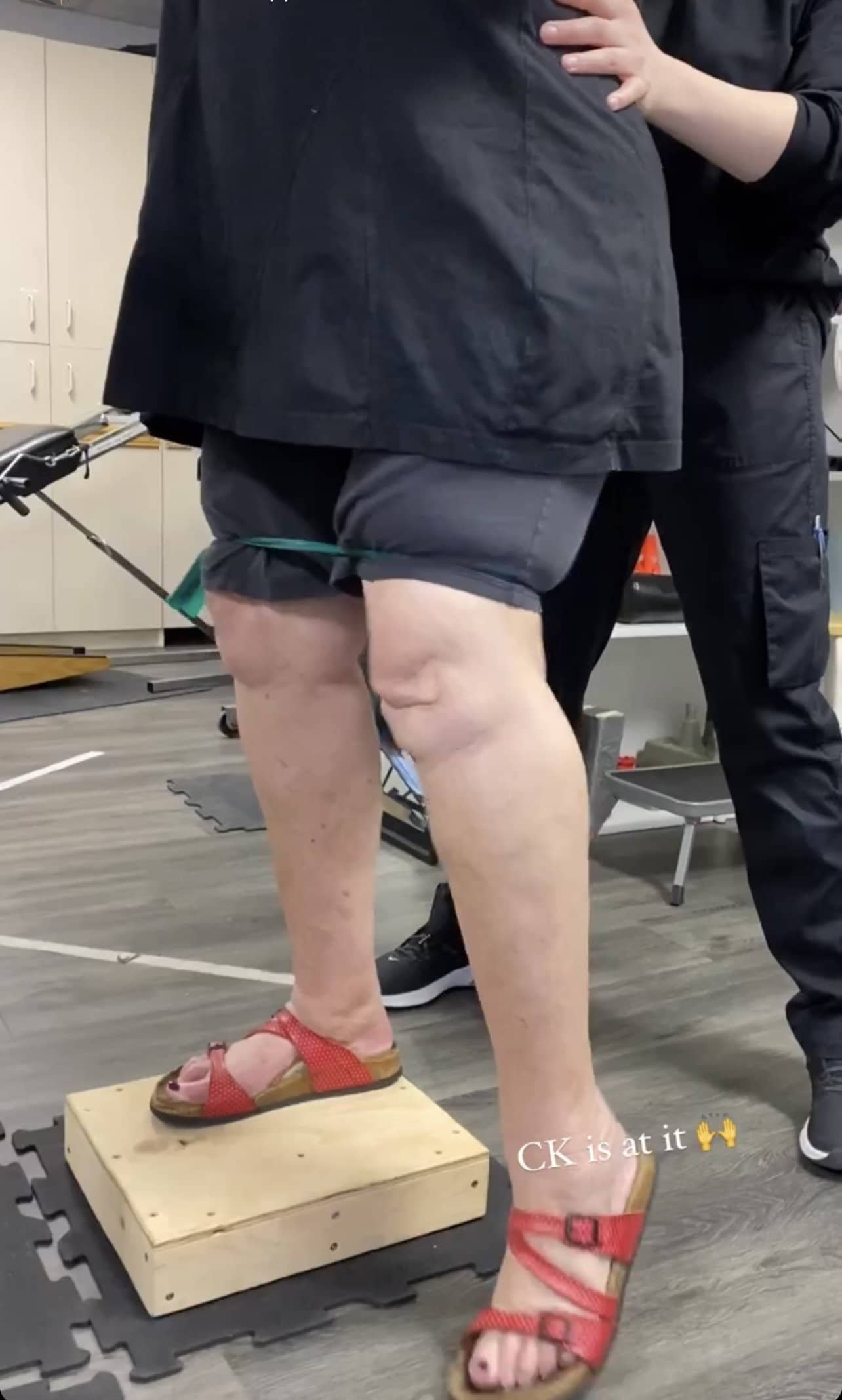
Dizziness, vertigo, and balance problems can make even simple activities, walking, turning your head, getting out of bed, driving, shopping, or moving through busy environments, feel difficult or unpredictable.
At Strathcona Physical Therapy, we provide specialized vestibular physiotherapy in Edmonton for people experiencing dizziness, vertigo, imbalance, motion sensitivity, and other symptoms related to the vestibular system.
Our physiotherapists have completed advanced vestibular rehabilitation training through Duke University’s Vestibular Rehabilitation: A Competency-Based Course in Atlanta, an intensive program focused on the assessment and treatment of vestibular disorders. This advanced training supports detailed clinical assessment, appropriate treatment selection, and recognition of symptoms that may require further medical investigation.
Vestibular symptoms can have many different causes. Conditions we commonly assess include benign paroxysmal positional vertigo (BPPV), peripheral vestibular hypofunction, balance dysfunction, motion sensitivity, and other vestibular presentations. Because dizziness is not always caused by the inner ear, careful assessment is essential before deciding on treatment.
A vestibular assessment may examine eye movements, positional responses, balance, walking, head movement, gaze stability, and the movements or environments that provoke your symptoms. Treatment is then matched to the findings rather than using the same exercises for everyone.
Depending on the condition, treatment may include canalith repositioning manoeuvres for BPPV, gaze-stabilization exercises, balance and gait training, habituation or motion-tolerance exercises, and an individualized home program.
Our goal is to help you understand what may be contributing to your symptoms, improve balance and movement tolerance, reduce dizziness when possible, and return to everyday activities with greater confidence.
What Is the Vestibular System?
The vestibular system is an important part of your balance system. Located within the inner ear, it detects head movement and changes in position and sends information to the brain about how you are moving in space.
Your brain combines this information with input from your eyes and muscles and joints to help you maintain balance, stabilize your vision while your head is moving, and move confidently through your environment.
When the vestibular system is not functioning normally, or when the brain has difficulty integrating this information, you may experience symptoms such as dizziness, vertigo, imbalance, visual blurring with head movement, or unsteadiness.
What Causes Dizziness and Vertigo?
Dizziness is a broad term that people use to describe many different sensations, including spinning, light-headedness, unsteadiness, floating, or feeling off-balance.
Vertigo is more specific and refers to a false sensation of movement or spinning.
There are many possible causes of dizziness and vertigo. Vestibular causes can include:
Benign paroxysmal positional vertigo (BPPV)
Vestibular neuritis or labyrinthitis
Unilateral or bilateral vestibular hypofunction
Ménière’s disease
Vestibular migraine
Other peripheral or central vestibular disorders
Dizziness can also arise from neurological, cardiovascular, medication-related, metabolic, visual, migraine-related, or other causes.
This is why assessment matters. The right treatment depends on identifying the likely source and pattern of your symptoms rather than treating all dizziness the same way.
What Is BPPV?
Benign paroxysmal positional vertigo (BPPV) is one of the most common causes of positional vertigo.
Inside the inner ear are tiny calcium carbonate particles called otoconia. In BPPV, these particles become displaced from the utricle and enter one of the semicircular canals. When your head changes position, the displaced particles can stimulate the balance system inappropriately and create brief episodes of vertigo.
Common triggers include:
Rolling over in bed
Lying down or sitting up
Looking upward
Bending forward
Turning the head into certain positions
BPPV is assessed using specific positional tests while observing for characteristic symptoms and eye movements.
When BPPV is identified, treatment typically involves a canalith repositioning manoeuvre selected according to the affected canal and presentation. These manoeuvres are designed to move the displaced particles out of the semicircular canal.
BPPV treatment is therefore different from a general vestibular exercise program—the correct treatment depends on identifying the affected side, canal, and pattern.
What Is Vestibular Hypofunction?
Vestibular hypofunction occurs when the balance organs or vestibular nerve on one side or both sides are not providing normal information to the brain.
Depending on the condition, symptoms may include:
Dizziness or imbalance
Unsteadiness while walking
Difficulty walking in the dark or on uneven surfaces
Visual blurring or bouncing with head movement
Difficulty turning the head while walking
Reduced confidence with movement
Difficulty navigating visually busy environments
The nervous system can often adapt to changes in vestibular function. Vestibular rehabilitation uses targeted exercises to promote this compensation and improve gaze stability, balance, and functional movement.
What Happens During a Vestibular Physiotherapy Assessment?
A vestibular assessment begins with a detailed history. Your physiotherapist will ask about what your dizziness feels like, when it started, how long episodes last, what triggers your symptoms, associated hearing or neurological symptoms, falls or imbalance, medications, and how your symptoms affect everyday activities.
Depending on your presentation, your assessment may include:
Eye movement and oculomotor screening
Observation for nystagmus
Positional testing for BPPV
Head-movement and gaze-stability testing
Balance assessment
Walking and dynamic balance tasks
Functional mobility
Screening for central or neurological signs
Assessment of motion or visual sensitivity when relevant
Not every patient requires every test. Your assessment is selected according to your symptoms, history, safety, and clinical presentation.
If findings suggest that your dizziness requires further medical, neurological, audiological, or ENT assessment, your physiotherapist can recommend appropriate follow-up.
How Does Vestibular Physiotherapy Work?
Vestibular physiotherapy is not one standard set of dizziness exercises.
Treatment depends on what your assessment identifies.
For example, someone with BPPV may require a repositioning manoeuvre, while someone with vestibular hypofunction may benefit from gaze-stabilization and balance exercises. A person with motion sensitivity may require carefully graded exposure to specific movements or visual environments.
Depending on your condition, vestibular rehabilitation may include:
Canalith repositioning manoeuvres
Gaze-stabilization exercises
Balance and gait training
Habituation exercises
Gradual exposure to movement or visual environments
Functional movement training
Falls-risk management when appropriate
Education and an individualized home exercise program
Exercises are progressed according to your diagnosis, symptoms, function, and response to treatment.
What Are Gaze-Stabilization Exercises?
Your vestibular system helps keep your vision stable while your head is moving through a reflex called the vestibulo-ocular reflex (VOR).
When vestibular function is reduced, some people experience blurred or unstable vision during head movement or difficulty keeping a visual target clear while walking or moving.
For appropriate vestibular conditions, gaze-stabilization exercises involve maintaining visual focus on a target while performing controlled head movements. The exercises can then be progressively modified according to speed, duration, background, position, and other factors.
These exercises are not appropriate for every cause of dizziness and should be prescribed according to assessment findings.
How Does Balance Rehabilitation Help?
Balance depends on the brain's ability to integrate information from the vestibular, visual, and somatosensory systems.
When vestibular information becomes unreliable, balance may become more difficult, particularly when walking in the dark, moving the head, standing on uneven surfaces, or navigating busy environments.
Balance rehabilitation progressively challenges these systems to improve postural stability, walking, movement confidence, and the ability to respond to everyday environments.
Exercises may involve changes in:
Foot position or base of support
Surface stability
Vision
Head movement
Walking
Direction changes
Dual-task or functional activities
The difficulty is progressed according to the individual's abilities and safety.
What Is Motion Sensitivity?
Some people feel dizzy or disoriented during movements or in visually complex environments such as grocery stores, crowds, scrolling screens, traffic, escalators, or busy patterns.
When appropriate, vestibular rehabilitation may use habituation or graded exposure to repeatedly introduce specific movements or visual stimuli in a controlled way.
The purpose is not simply to make you dizzy. The exposure is carefully selected and progressed so that the nervous system can gradually become less sensitive to movements or environments that provoke symptoms.
Because visual-motion sensitivity can occur with several different conditions, assessment is important before determining whether habituation is appropriate.
When Does Dizziness Need Medical Attention?
Most dizziness is not caused by a medical emergency, but new or unusual dizziness can occasionally be a sign of a serious neurological or cardiovascular condition.
Call 911 or seek emergency medical attention if sudden dizziness or vertigo occurs with symptoms such as:
New weakness or numbness of the face, arm, or leg
New difficulty speaking or understanding speech
New severe difficulty walking or inability to stand
New double vision or significant vision changes
New severe coordination problems
Sudden severe headache or neck pain
New confusion or altered consciousness
Sudden severe unexplained vomiting with neurological symptoms
New, severe, continuous dizziness, particularly when accompanied by significant difficulty walking, neurological symptoms, or other concerning changes, should receive urgent medical assessment.
Sudden hearing loss associated with dizziness also requires prompt medical assessment.
Physiotherapy assessment is appropriate when vestibular rehabilitation is indicated, but it does not replace emergency or medical evaluation when symptoms suggest a potentially serious condition.
Why Choose Strathcona Physical Therapy for Vestibular Physiotherapy?
Vestibular rehabilitation is a specialized area of physiotherapy that requires detailed assessment and clinical decision-making.
At Strathcona Physical Therapy, our physiotherapists have completed advanced competency-based training in vestibular rehabilitation through a Duke University–sponsored program in Atlanta.
This intensive advanced training includes assessment and clinical decision-making for BPPV, peripheral and central vestibular disorders, eye movements and nystagmus, balance and gait dysfunction, vestibular hypofunction, and other complex dizziness presentations.
Our approach includes:
Advanced training in vestibular assessment and rehabilitation
Detailed assessment of dizziness, vertigo, and balance disorders
Positional testing and treatment for BPPV
Individualized vestibular exercise programs
Gaze-stability and balance rehabilitation when indicated
Recognition of findings that may require further medical investigation
Collaboration with physicians and other healthcare professionals when appropriate
Access to concussion rehabilitation when dizziness occurs as part of a broader post-concussion presentation
Rather than assuming every person with dizziness needs the same exercises, we focus on understanding the pattern of your symptoms, identifying the systems that may be involved, and selecting treatment based on your individual findings.
Vestibular Physiotherapy FAQs
Is dizziness the same as vertigo?
No. Dizziness is a broad term that can describe light-headedness, imbalance, disorientation, or other sensations. Vertigo refers specifically to a false sensation of movement or spinning. Understanding exactly what you feel and when it occurs can help guide the assessment.
Is all dizziness caused by the inner ear?
No. Dizziness has many possible causes, including vestibular, neurological, cardiovascular, medication-related, migraine-related, and other conditions. This is one reason a detailed history and appropriate screening are important.
How do I know if I have BPPV?
BPPV typically causes brief episodes of vertigo triggered by specific changes in head position, but symptoms alone cannot reliably identify the affected canal or side. Positional testing can help confirm the characteristic pattern and guide the appropriate repositioning manoeuvre.
Can BPPV be treated in one appointment?
Some people improve substantially after one repositioning treatment, while others require additional treatment. Response can depend on the canal involved, the BPPV variant, recurrence, and other individual factors.
Are vestibular exercises supposed to make me dizzy?
Some exercises intentionally create a mild, controlled level of symptoms as part of adaptation or habituation, but making symptoms worse is not the goal.
Exercises should be selected and dosed according to your condition and response. Significant or prolonged worsening should be discussed with your physiotherapist.
Can vestibular physiotherapy help with balance problems even if I am not experiencing spinning?
Yes. Vestibular disorders do not always cause spinning vertigo. Some people primarily experience imbalance, unsteadiness, visual instability, or difficulty walking with head movement.
What is the difference between vestibular physiotherapy and regular physiotherapy?
Vestibular physiotherapy involves specialized assessment and treatment of the systems involved in dizziness, vertigo, gaze stability, and balance. This can include examination of eye movements and nystagmus, positional testing, vestibular function, balance, and gait in addition to a broader physiotherapy assessment.
Can concussion cause vestibular symptoms?
Yes. Dizziness, imbalance, and visual-motion sensitivity can occur following concussion. If vestibular dysfunction is suspected, a specialized vestibular assessment may be appropriate. Patients with a broader post-concussion presentation may also benefit from our dedicated Concussion Management service.
Do I need a doctor's referral for vestibular physiotherapy?
You can generally book a physiotherapy assessment without a physician referral. However, your extended health benefit plan may require a referral for reimbursement, and certain symptoms or assessment findings may require further medical investigation.
How many vestibular physiotherapy sessions will I need?
There is no standard number. Treatment duration depends on the underlying condition, severity of impairment, individual goals, other health factors, and response to rehabilitation. BPPV may require relatively few visits, while vestibular hypofunction or complex balance disorders may require a longer progressive rehabilitation program.
Transform Your Health at Strathcona Physical Therapy: Comprehensive, Customized, and Caring Approach

Assessment & Diagnosis
Our experts conduct a comprehensive evaluation of your medical history, lifestyle, and pain levels to provide an accurate diagnosis.

Personalized Therapy Plans
Based on your unique needs, we design an optimal rehabilitation program using scientifically backed methods.

Innovative Treatments
Our diverse range of interventions, such as hands-on techniques and exercises, are guided by an experienced team that focuses on patient engagement and empowerment.

Evidence-Based Excellence
We employ scientifically backed therapy methods, harmonizing evidence-based research with skilled therapy to achieve effective treatments and positive outcomes.

Caring Therapists
Our skilled therapists combine technique and compassion to guide you towards a path of recovery and optimal health.

Why Choose Us!
Choose Strathcona Physical Therapy for precise assessments, customized treatment plans, and compassionate care. Schedule an appointment today for a different rehabilitation experience.

Insurance covered:
At Strathcona Physical Therapy, we work with most insurance providers for accessible care.