Physiotherapy in Edmonton
Restore Movement. Rebuild Strength. Get Back to What Matters.
Our physiotherapists provide individualized, evidence-informed rehabilitation focused on understanding your symptoms, movement, physical demands, and goals, not simply your diagnosis.
We treat a wide range of concerns, including orthopaedic and sports injuries, back and neck pain, workplace and motor vehicle accident injuries, post-surgical rehabilitation, and persistent pain, along with specialized care for TMJ, vestibular conditions, concussion, pelvic health, and scoliosis.
Our goal is to help you restore function, rebuild capacity, and return to the work, sport, and everyday activities that matter to you.

How Can Physiotherapy Help?
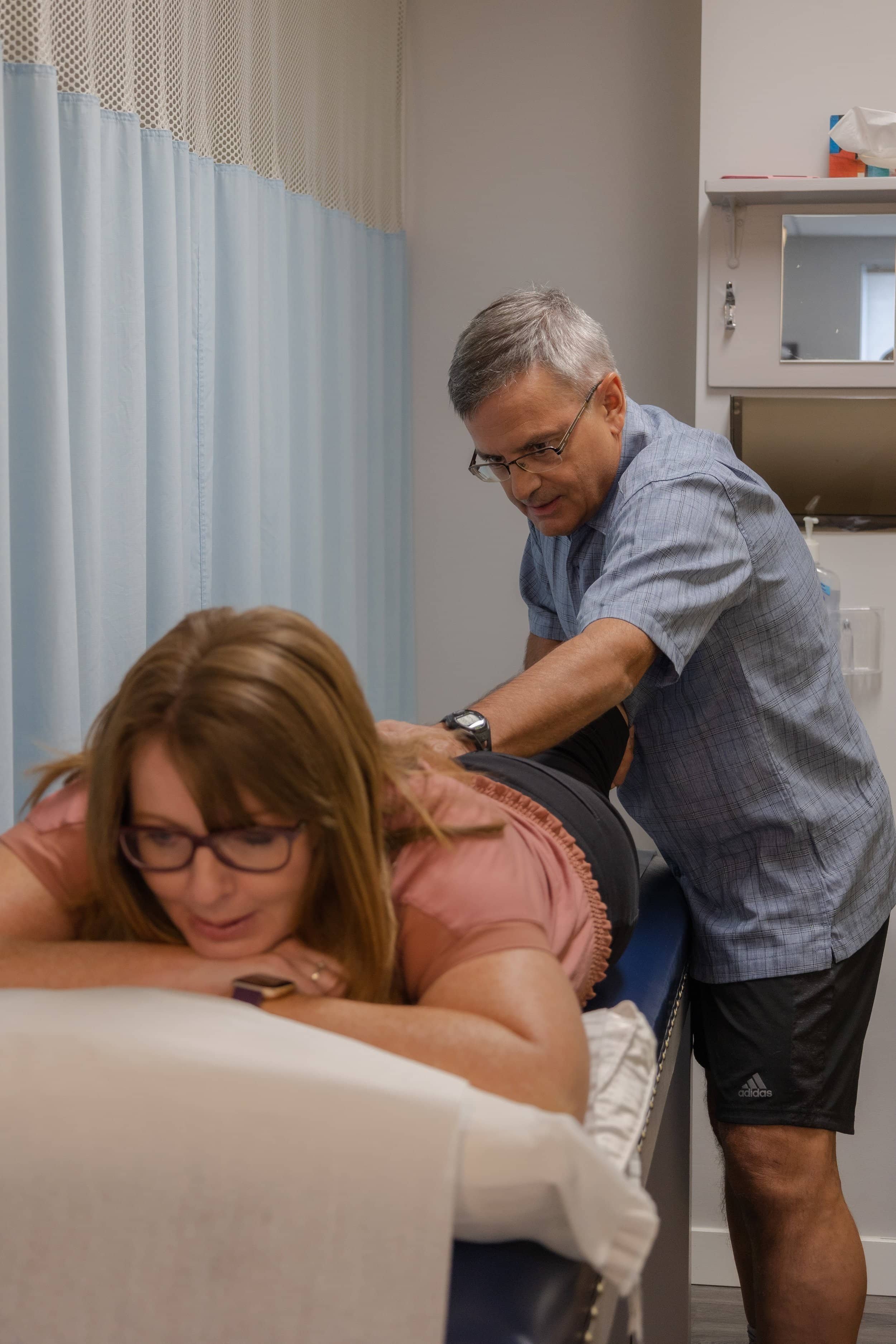
Physiotherapy can help when pain, injury, weakness, stiffness, dizziness, or changes in movement are affecting your ability to work, exercise, play sport, or manage everyday activities.
At Strathcona Physical Therapy, we provide individualized physiotherapy for a wide range of concerns, including:
Back, Neck & Joint Pain
Assessment and rehabilitation for pain or stiffness affecting the spine, shoulders, hips, knees, ankles, and other joints, with treatment based on your individual presentation and functional goals.
Orthopaedic & Sports Injuries
Rehabilitation for sprains, strains, tendon injuries, overuse conditions, sports injuries, fractures, and other musculoskeletal concerns, from the early stages of recovery through return to activity or sport.
Post-Surgical & Post-Fracture Rehabilitation
Progressive rehabilitation following orthopaedic surgery or fracture to help restore mobility, strength, physical capacity, and confidence with everyday activities.
Motor Vehicle & Workplace Injuries
Individualized rehabilitation following motor vehicle accidents and work-related injuries, with treatment focused on your symptoms, physical limitations, work demands, and return to function.
TMJ & Jaw Conditions
Specialized physiotherapy for jaw pain, restricted or painful opening, TMJ/TMD concerns, and associated neck or orofacial symptoms when clinically relevant.
Dizziness, Vestibular Conditions & Concussion
Specialized assessment and rehabilitation for dizziness, vertigo, BPPV, balance difficulties, vestibular dysfunction, and physical impairments associated with concussion.
Pelvic Health
Individualized pelvic floor physiotherapy for concerns such as bladder leakage, pelvic pain, pregnancy-related concerns, postpartum recovery, and other pelvic health conditions.
Scoliosis
Scoliosis-specific physiotherapy, including the Schroth approach, for adolescents and adults with scoliosis, using individualized three-dimensional exercises, postural correction, breathing principles, and integration into everyday activities.
Because similar symptoms can have different causes, physiotherapy begins with an individualized assessment to understand what is affecting your function and determine an appropriate approach to treatment.
Our Physiotherapy Services
-
Assessment and rehabilitation for musculoskeletal injuries and conditions affecting the muscles, joints, tendons, and other structures involved in movement. Treatment is tailored to help you restore mobility, rebuild strength and physical capacity, and return to work, exercise, recreation, or sport. Learn More →
-
Specialized assessment and treatment for temporomandibular disorders (TMD), including jaw pain, restricted or painful opening, clicking or locking, and related head, neck, and orofacial concerns. Learn More →
-
Specialized assessment and rehabilitation for dizziness, vertigo, BPPV, balance difficulties, vestibular hypofunction, motion sensitivity, and other vestibular presentations. Learn More →
-
Individualized and respectful pelvic health physiotherapy for concerns including bladder leakage, pelvic pain, pregnancy-related concerns, postpartum recovery, and other pelvic floor conditions. Learn More →
-
Individualized physiotherapy addressing the physical aspects of concussion recovery, which may include exercise tolerance, neck-related symptoms, headaches, balance, dizziness, and gradual return to activity. Learn More →
-
Scoliosis-specific physiotherapy for adolescents and adults using individualized three-dimensional self-correction, exercise, postural training, breathing principles, and integration into everyday activities. Learn More →
-
Assessment and rehabilitation following motor vehicle accidents, with treatment based on your injuries, symptoms, functional limitations, and goals for returning to work and everyday activities. Learn More →
-
Rehabilitation for workplace injuries with treatment focused on restoring function, rebuilding physical capacity, and supporting a safe and appropriate return to work. Learn More →
-
Dry needling and Intramuscular Stimulation (IMS) may be incorporated into physiotherapy for selected musculoskeletal presentations when clinically appropriate. Needling is used as part of a broader rehabilitation plan rather than as a stand-alone approach. Learn More →
-
Extracorporeal Shockwave Therapy (ESWT) may be considered for selected persistent musculoskeletal conditions, including certain tendon conditions and plantar fasciopathy. When appropriate, it is integrated with exercise and rehabilitation based on your assessment. Learn More →
Not sure which service to book? Our team can help direct you to the physiotherapist and appointment type most appropriate for your concern.
What Is Physiotherapy?
Physiotherapy is a healthcare profession focused on helping people restore movement, improve physical function, manage pain, recover from injury, and participate more fully in everyday life.
Physiotherapists assess more than just where something hurts. Depending on your concern, your assessment may consider areas such as mobility, strength, balance, movement, coordination, physical capacity, and the demands of your work, sport, or daily activities.
Treatment is individualized and may include therapeutic exercise, progressive strengthening, mobility work, movement retraining, education, activity and load management, manual therapy, and other physiotherapy interventions when appropriate.
The goal is not simply to provide temporary symptom relief. Physiotherapy aims to help you understand your condition, rebuild physical capacity, improve function, and develop strategies that support your recovery over time.
Meet Our Physiotherapists
Our physiotherapy team brings together a wide range of clinical experience, professional training, and areas of interest.
From orthopaedic and sports rehabilitation to TMJ, vestibular and concussion care, pelvic health, scoliosis, dry needling/IMS, and other areas of physiotherapy, our team works with people of different ages, activity levels, and rehabilitation needs.
Each physiotherapist brings their own background and approach to care, while sharing a commitment to individualized assessment, evidence-informed treatment, active rehabilitation, and helping you work toward the goals that matter to you.
Explore our physiotherapists below to learn more about their clinical interests, training, and approach to care.
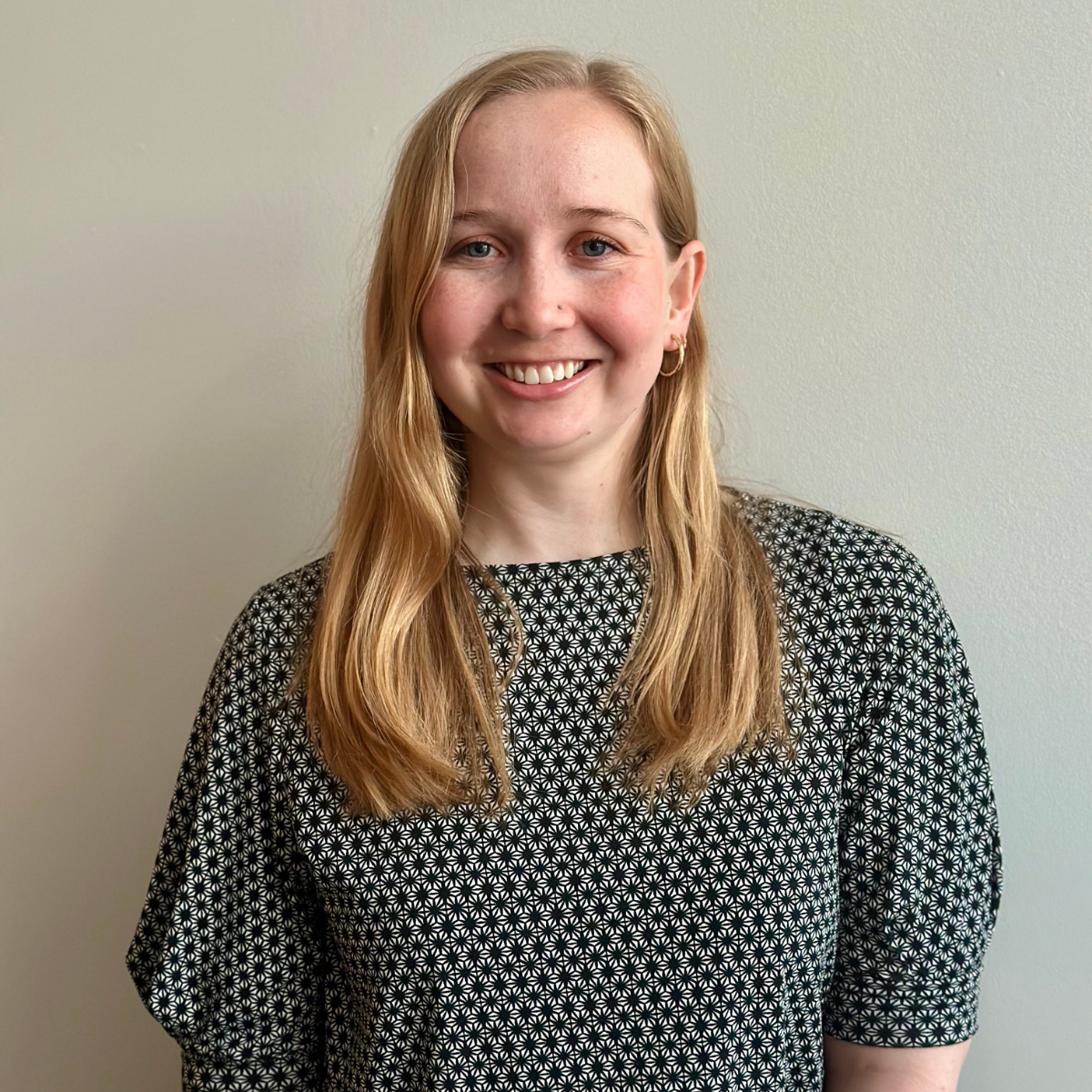
Carly Frances McKay, MScPT
Registered Physiotherapist
Clinical Interests: Pelvic Health • Orthopaedic & Sports Physiotherapy • Cancer Rehabilitation • Dry Needling • Acupuncture • TMJ/TMD
Carly earned her Master of Physical Therapy from McMaster University in 2020 after completing a Bachelor of Science in Kinesiology at Queen’s University in 2017.
Carly has pursued additional training in pelvic health physiotherapy, cancer rehabilitation, dry needling, and acupuncture. She works with a wide range of musculoskeletal and orthopaedic conditions and takes an individualized, evidence-informed approach that combines education, hands-on treatment, and progressive therapeutic exercise to help patients improve function and work toward their personal goals.
Her interest in movement and rehabilitation developed through an extensive background in ballet. Growing up in St. Albert, Carly trained at leading institutions in Canada and the United States, including Canada’s National Ballet School and The Juilliard School. This experience gave her a strong appreciation for movement, physical performance, and the demands placed on the body through sport and activity.
Outside the clinic, Carly enjoys Pilates, yoga, fitness classes, exploring Edmonton’s cafés and restaurants, and spending time in the river valley.

Jennifer Poon, MScPT, BSc
Registered Physiotherapist
Clinical Interests: Pelvic Health • Orthopaedic Physiotherapy • Musculoskeletal Rehabilitation • Exercise-Based Rehabilitation • Manual Therapy • TMJ/TMD • Dry Needling
Jennifer earned her Master of Science in Physical Therapy from the University of Alberta after completing a Bachelor of Science in Biological Sciences with Distinction.
Jennifer works with patients across a wide range of ages and musculoskeletal concerns, with a particular clinical interest in pelvic health and individualized rehabilitation. Her approach combines therapeutic exercise, manual therapy, education, and progressive movement to address each patient’s specific needs and functional goals.
She places a strong emphasis on helping patients understand their condition and become active participants in their recovery. By developing practical and individualized treatment plans, Jennifer aims to improve function while giving patients the knowledge and strategies needed to confidently manage their health over the long term.
Outside the clinic, Jennifer enjoys staying active through boxing, dance, and weight training. She also enjoys spending time with family and friends and exploring Edmonton’s food scene.

Joel Gormley, MScPT
Registered Physiotherapist
Clinical Interests: Orthopaedic & Sports Physiotherapy • Vestibular Rehabilitation • Dry Needling • Spinal Manipulation • Endurance Sports & Performance Rehabilitation • TMJ/TMD
Joel earned his Master of Science in Physical Therapy from the University of Alberta, following an earlier career in financial planning in Vancouver. His desire to work more directly with people, combined with a lifelong interest in health, movement, sport, and recreation, led him to pursue physiotherapy and a career focused on helping people move well, stay active, and return to the activities they enjoy.
Joel believes in helping patients develop the knowledge, confidence, and tools they need to manage their health over the long term. His approach combines therapeutic exercise, manual therapy, spinal manipulation, and dry needling, with treatment tailored to each patient’s individual needs and goals.
He has a particular interest in orthopaedic and sports rehabilitation and enjoys working with athletes involved in endurance sports, martial arts, and weightlifting. Whether helping someone return to sport or simply walk comfortably around the block with their grandchildren, Joel focuses on restoring function and helping patients return to the activities that matter to them.
Joel is also trained in vestibular rehabilitation and works with patients experiencing vertigo, dizziness, and balance-related concerns.
Outside the clinic, Joel enjoys biking, skiing, and spending time with his family, including keeping busy driving his three children to their activities.
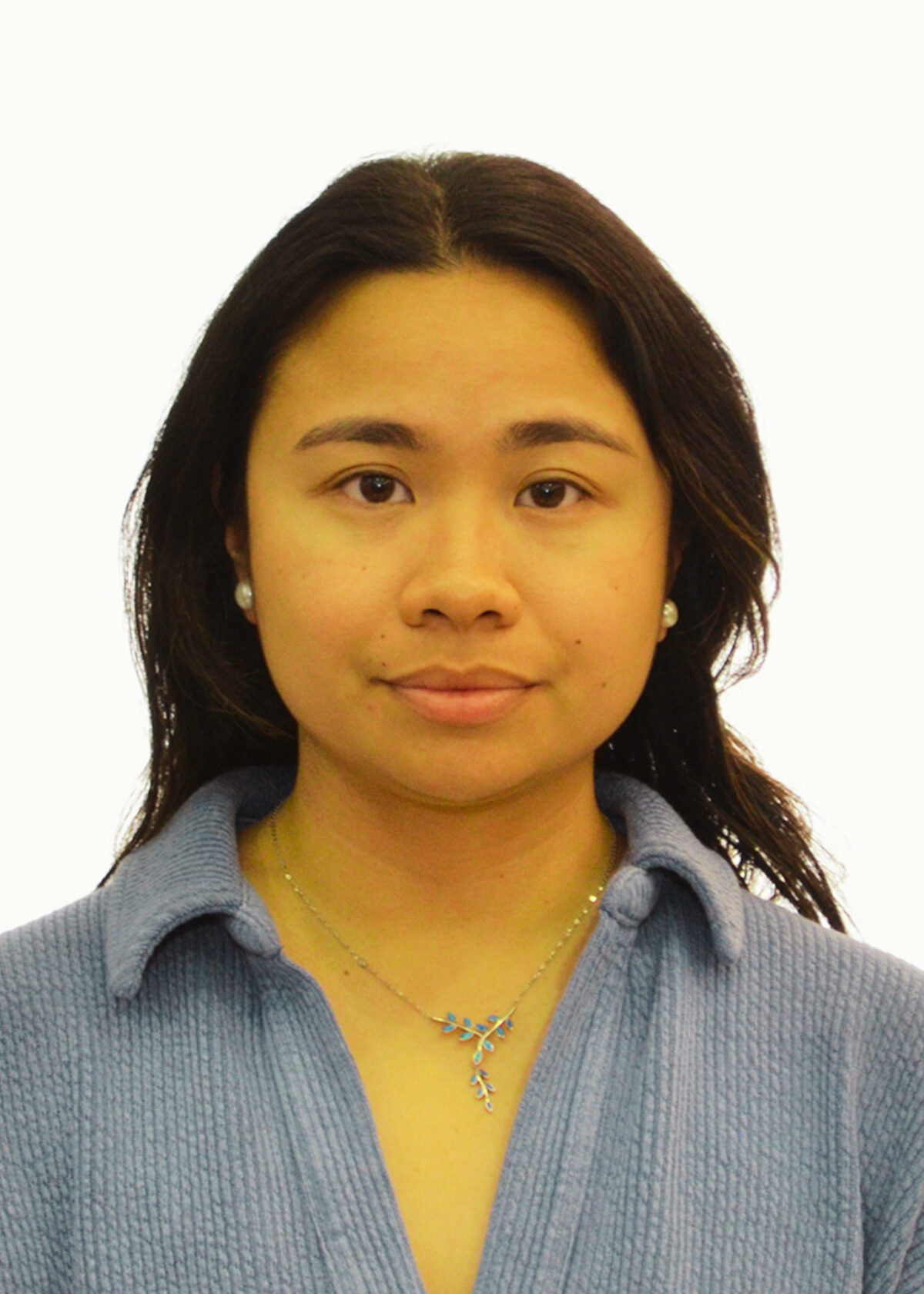
Louise Laine Bravo
Registered Physiotherapist
Clinical Interests: Orthopaedic & Musculoskeletal Physiotherapy • Post-Surgical Rehabilitation • Sports & Injury Rehabilitation • Dry Needling • Manual Therapy • TMJ/TMD
Louise is a Registered Physiotherapist with more than eight years of clinical experience, including extensive hospital-based practice. Her background includes acute care, post-surgical rehabilitation, and the management of a wide range of musculoskeletal and injury-related conditions.
Her hospital experience has given her a strong foundation in managing complex presentations and guiding patients safely through different stages of recovery. Louise combines hands-on manual therapy, dry needling, therapeutic exercise, and patient education, tailoring treatment to each person’s needs, goals, and level of function.
A lifelong athlete with a background in soccer and ultimate frisbee, Louise has a strong appreciation for movement, recovery, and injury prevention. She emphasizes active rehabilitation and helping patients understand their condition so they can build confidence, improve function, and stay active over the long term.
Louise is fluent in English and Tagalog. Outside the clinic, she enjoys crochet, embroidery, baking, and staying active.

Noman Anwari, MScPT, BSc (Hons)
Registered Physiotherapist | Clinic Owner/Director
Clinical Interests: TMJ/TMD & Orofacial Pain • Vestibular Rehabilitation • Concussion Management • Schroth Scoliosis • Orthopaedic & Sports Physiotherapy • Advanced Dry Needling/IMS • Spinal Manipulation
Noman Anwari holds a Master of Science in Physical Therapy from the University of Alberta and a Bachelor’s degree in Biomedical Sciences and Psychology from York University. His background in clinical and genetic research has contributed to his strong interest in evidence-informed, individualized rehabilitation.
Noman has extensive experience treating musculoskeletal injuries and complex conditions, with particular clinical interests in TMJ/TMD and orofacial pain, vestibular dysfunction and dizziness, concussion, scoliosis, and orthopaedic and sports rehabilitation. He has completed advanced vestibular rehabilitation training through Duke University and is certified in Schroth therapy for scoliosis and advanced dry needling/IMS. He has also completed advanced training in TMD/jaw rehabilitation, concussion management, manual therapy, spinal manipulation, and chronic pain management.
Noman works collaboratively with the Oral Medicine team at the University of Alberta in the management of complex TMD, neck, and orofacial conditions. His treatment approach combines hands-on therapy with progressive exercise, strength and movement retraining, education, and active self-management, with treatment tailored to each patient’s goals and functional needs.
Outside the clinic, Noman enjoys staying active through soccer, hiking, fitness training, and calisthenics, and values continued learning and involvement in the Edmonton community.

Gerald Gosselin, MRSc, BScPT
Registered Physiotherapist
Clinical Interests: Sports & Performance Rehabilitation • Functional Dry Needling • Manual Spinal Therapy • Acupuncture • Sports Trauma & Musculoskeletal Injuries • TMJ/TMD
Gerald holds a Master of Rehabilitation Science from the University of British Columbia and a Bachelor of Science in Physical Therapy from the University of Alberta.
Gerald brings extensive postgraduate training in Functional Dry Needling, manual spinal therapy, acupuncture, sports trauma management, and sports nutrition. His background in sports and performance rehabilitation is extensive, including approximately two decades as Head Physical Therapist with various Cirque du Soleil touring productions, where he travelled internationally providing physiotherapy care to high-level performers. He previously served as Head Trainer for the University of Alberta women’s soccer team.
Gerald combines his extensive clinical and performance experience with an individualized approach to musculoskeletal, sports, and orthopaedic rehabilitation, helping patients restore movement, build physical capacity, and return to the activities that matter to them.
Gerald is fluent in both English and French. Outside the clinic, he enjoys travelling and spending time with his family.
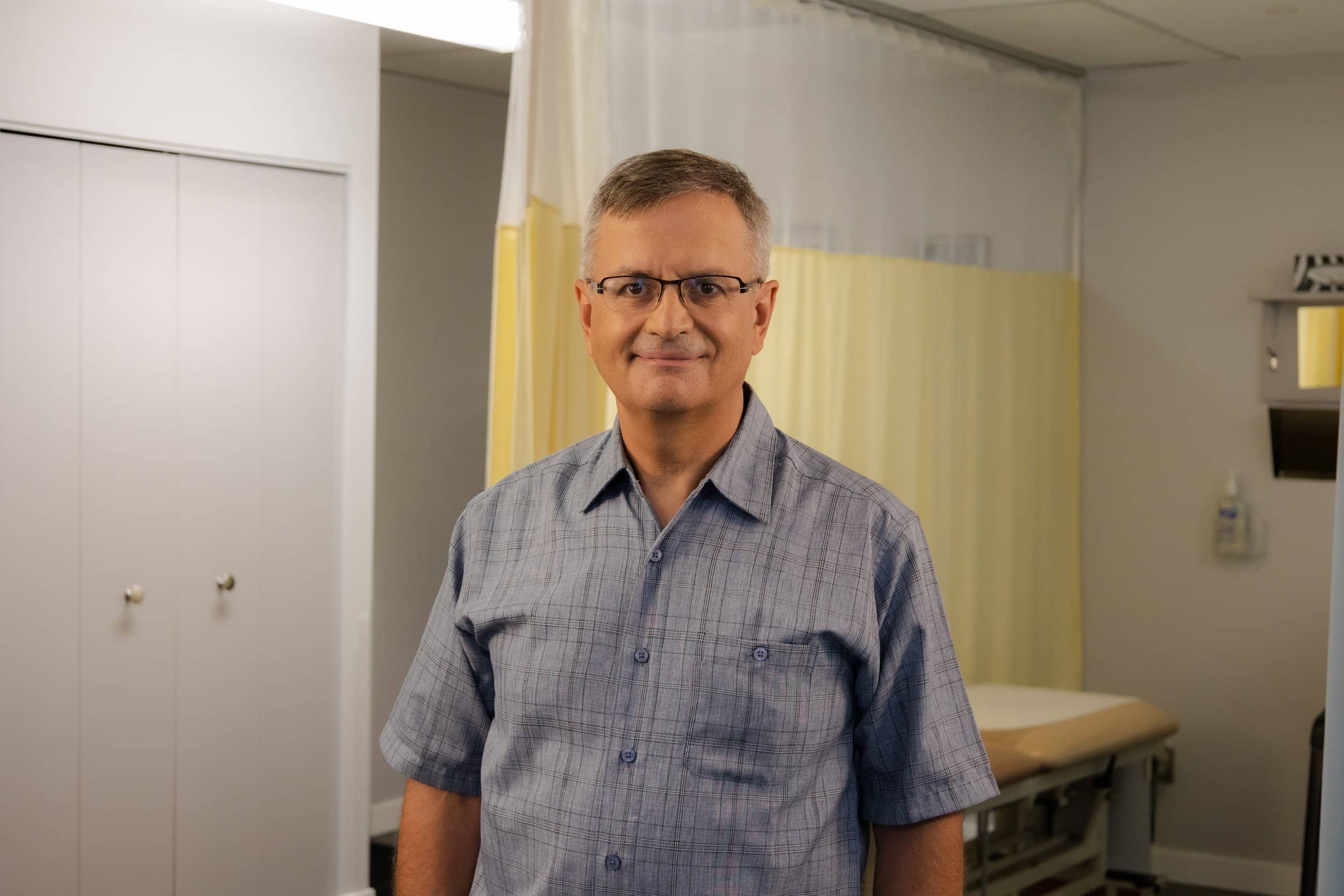
Ed Steinbring, BScPT
Retired Physiotherapist
Clinical Interests: TMJ/TMD & Orofacial Pain • Orthopaedic Physiotherapy • Sports Injury Rehabilitation • Manipulative Therapy • Acupuncture
Ed graduated from the University of Alberta with a Bachelor of Science in Physical Therapy in 1980. He joined Strathcona Physical Therapy in 1983 and became a partner the following year, going on to dedicate more than four decades to the clinic and the patients he served.
Throughout his career, Ed developed extensive experience in TMJ/TMD and orofacial conditions, orthopaedic and sports injuries, and musculoskeletal rehabilitation. He completed postgraduate training in TMJ/TMD rehabilitation, acupuncture, sports injury rehabilitation, and manipulative therapy.
Alongside his clinical practice, Ed contributed to healthcare education at the University of Alberta as an Associate Clinical Professor with the Faculties of Medicine & Dentistry and Rehabilitation Medicine, sharing his clinical knowledge and experience with future healthcare professionals.
Now retired from clinical practice, Ed leaves behind a longstanding contribution to Strathcona Physical Therapy and the many patients, colleagues, and healthcare professionals he worked with throughout his career.
Outside of physiotherapy, Ed has a longstanding passion for endurance sport and has competed in numerous triathlons, including half-Ironman and Ironman events and international championship competitions.
Martin Parfitt, PT
Retired Physiotherapist
TMJ/TMD • Manual Therapy • Orthopaedic Physiotherapy • Clinical Education
Martin Parfitt is a retired physiotherapist and former owner of Strathcona Physical Therapy who played an important role in the clinic's development and longstanding history of physiotherapy care in Edmonton.
Over more than 40 years of clinical practice, Martin developed extensive experience in orthopaedic physiotherapy, manual therapy, and the assessment and treatment of TMJ/TMD and jaw-related conditions. His work helped establish TMJ physiotherapy as an important area of clinical expertise at Strathcona Physical Therapy.
Martin also contributed to the education and development of physiotherapists and helped build the professional relationships that continue to shape the clinic's collaborative approach to care today.
Although Martin is now retired and no longer accepting patients, his clinical contributions remain an important part of Strathcona Physical Therapy's history and the foundation of our specialized TMJ services.
What to Expect at Your First Physiotherapy Appointment
Your first physiotherapy appointment is about understanding what is bothering you, how it is affecting your life, and what you want to get back to doing.
Your physiotherapist will begin by discussing your symptoms, health and injury history, daily activities, work or sport demands, and your goals for recovery.
Your Physiotherapy Assessment
Your physical assessment will be tailored to your concern. Depending on what brings you in, your physiotherapist may assess areas such as:
Movement and mobility
Strength and muscle function
Joint mobility
Balance and coordination
Functional movements
Walking, running, or sport-specific movement when relevant
Your tolerance for activities or physical loading
Other areas that may be contributing to your symptoms
Specialized assessments may also be used when appropriate for concerns involving the TMJ, vestibular system, concussion, pelvic health, or scoliosis.
Your Treatment Plan
After the assessment, your physiotherapist will explain the findings, answer your questions, and work with you to develop an individualized treatment plan based on your needs and goals.
Treatment may include a combination of therapeutic exercise, progressive strengthening, mobility work, movement retraining, education, activity or load management, manual therapy, and other physiotherapy interventions when appropriate.
When suitable, treatment or initial exercises may begin during your first appointment.
An Active Approach to Recovery
Physiotherapy is not simply about treating the painful area. Our goal is to help you understand your condition, improve your physical capacity, and build the skills and confidence to manage your recovery beyond the clinic.
Your treatment plan can be adjusted over time as your symptoms, function, and goals change.
Orthopaedic & Sports Physiotherapy
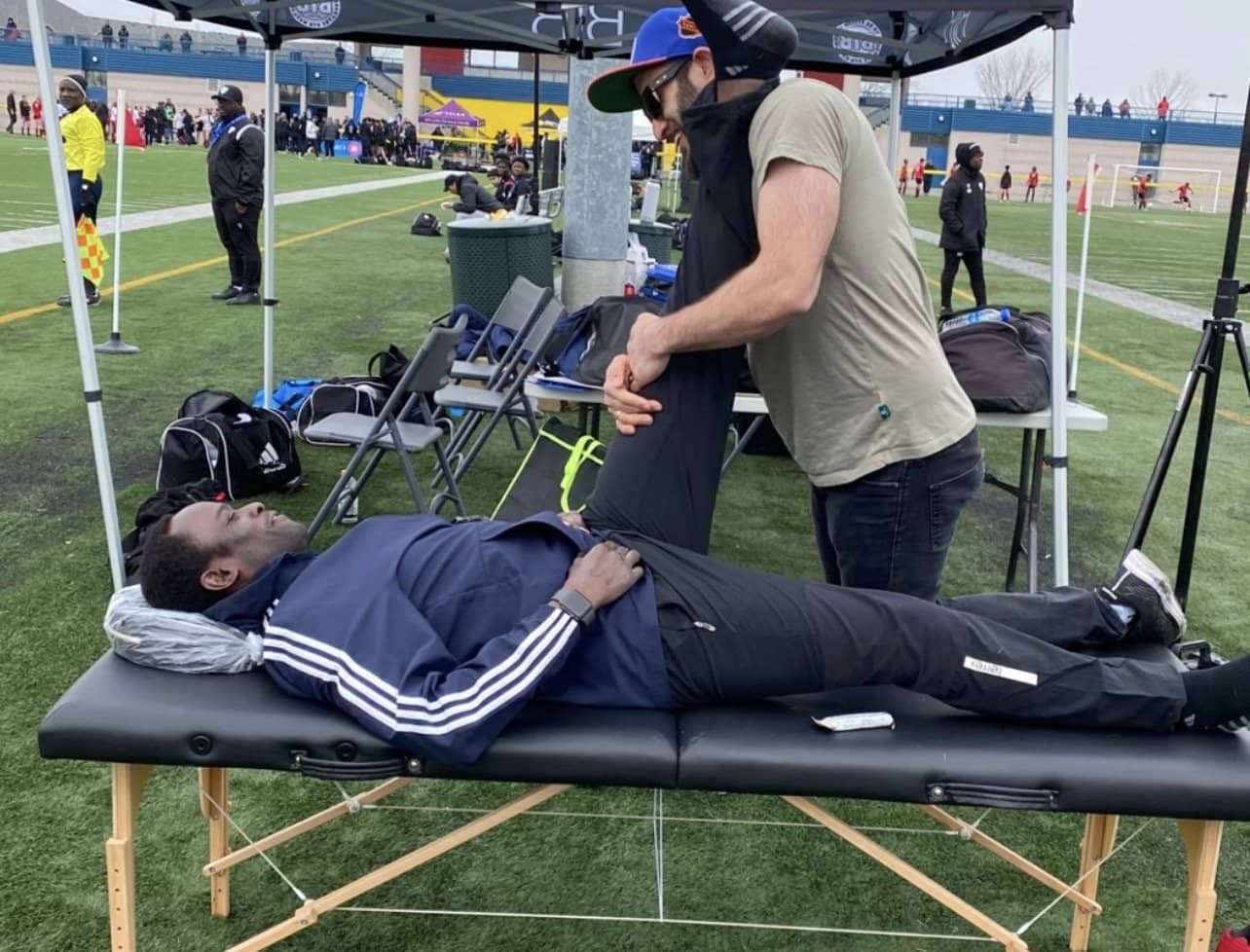
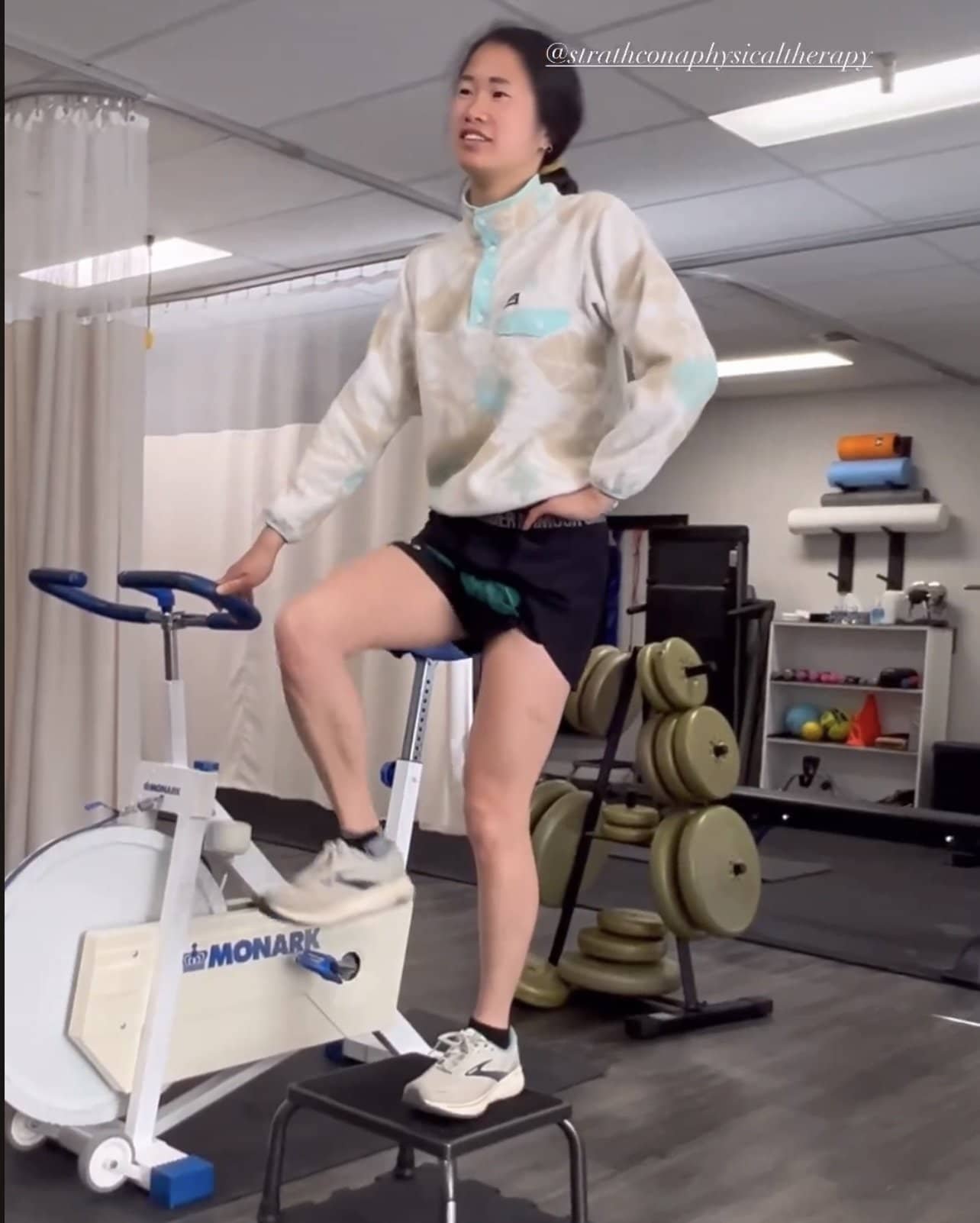
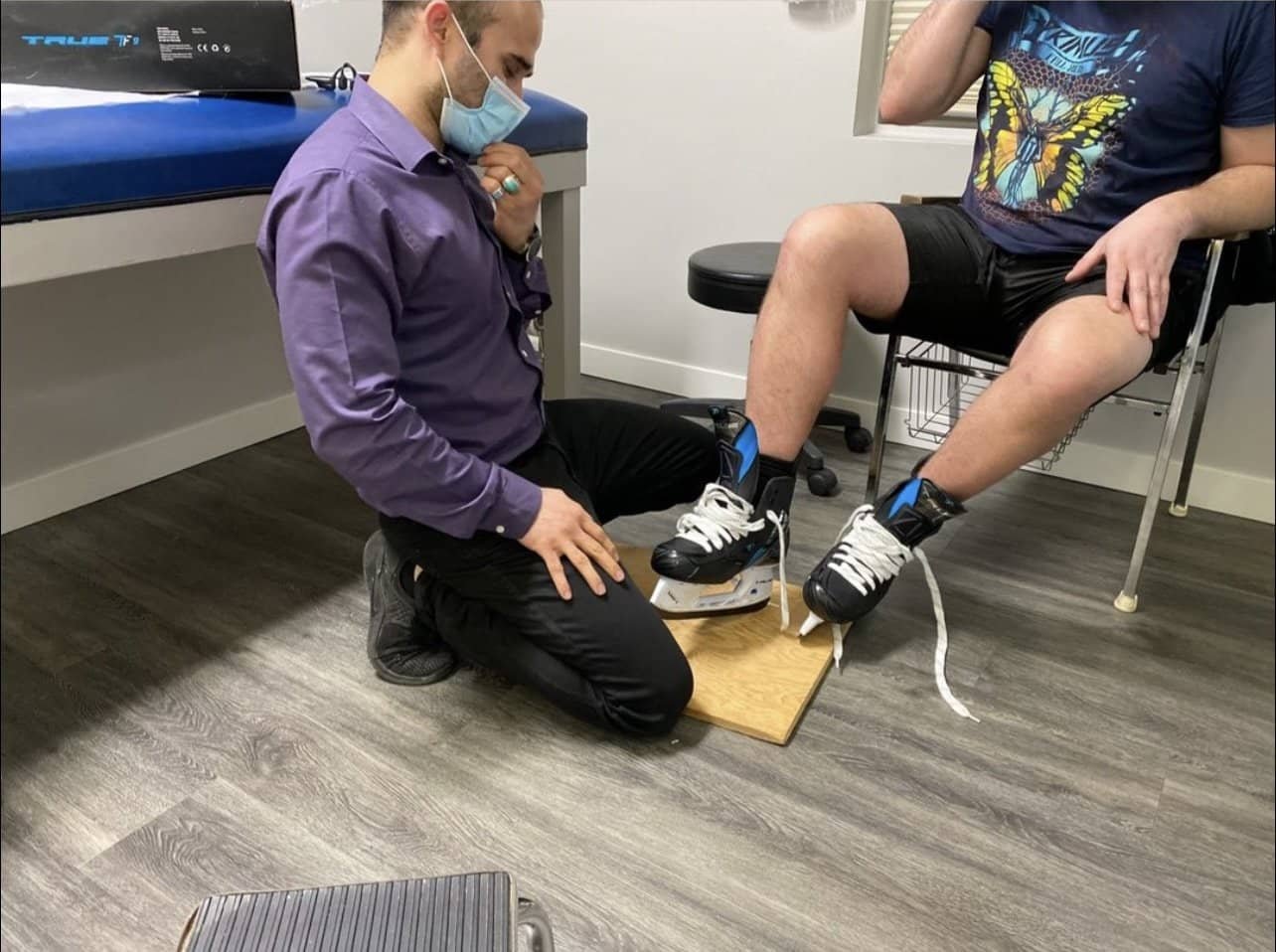
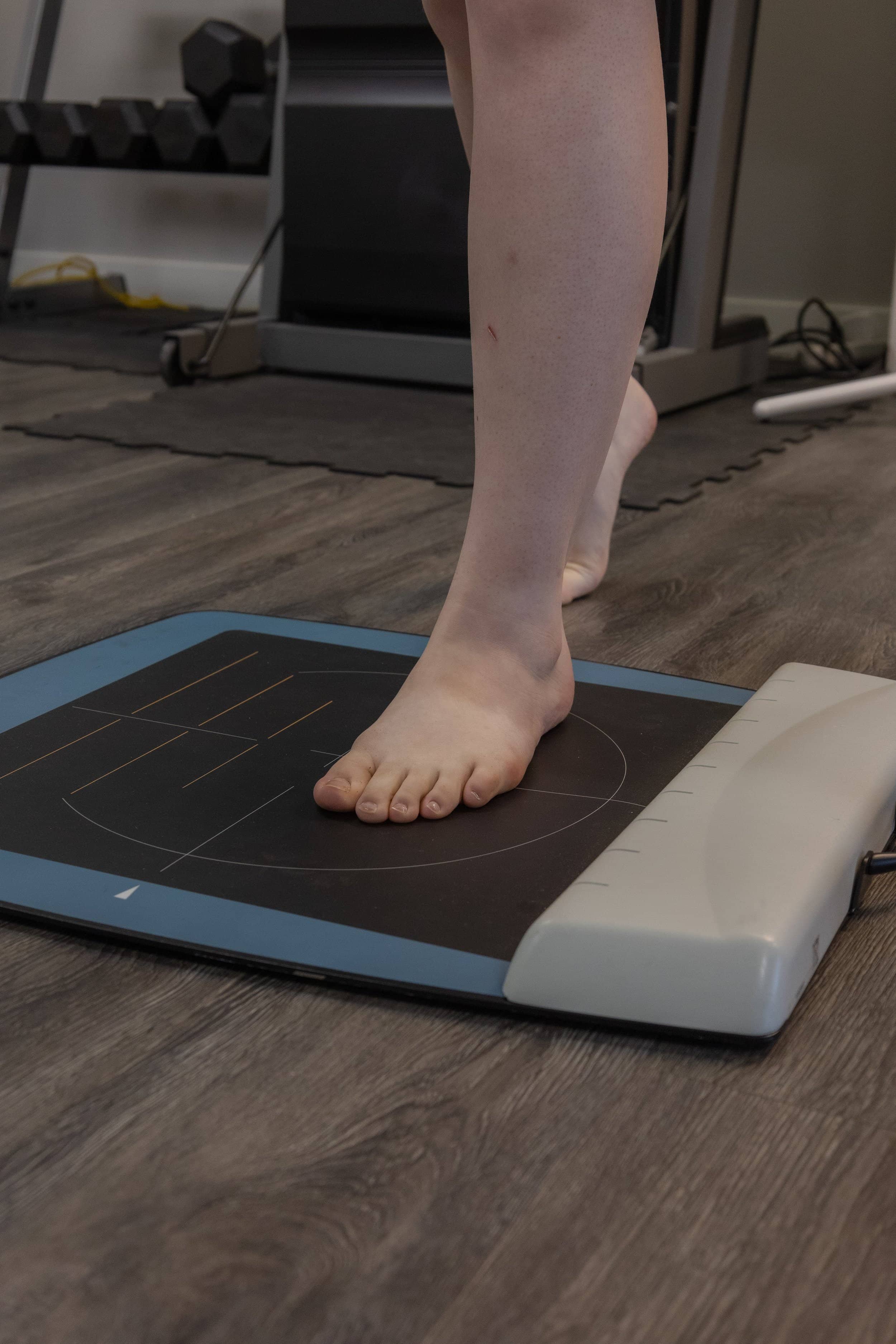
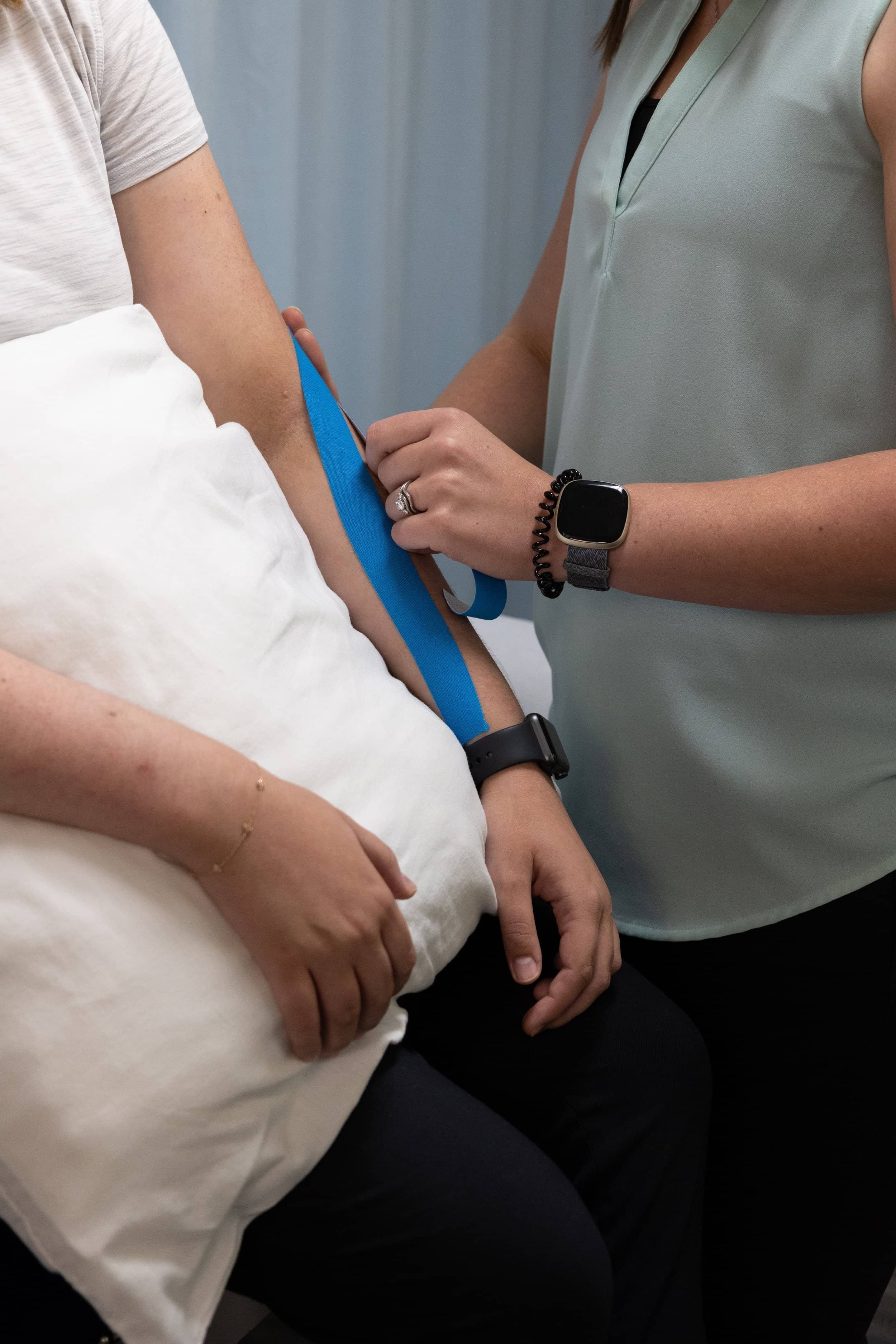
Orthopaedic and sports physiotherapy has been a longstanding part of Strathcona Physical Therapy’s clinical practice. We work with people of different ages and activity levels, from those recovering from an everyday injury or surgery to recreationally active individuals and competitive athletes.
Treatment begins with understanding your injury, movement, physical capacity, and the demands of the activities you want to return to.
Our physiotherapists assess and treat a wide range of orthopaedic and sports-related concerns, including:
Sprains and strains
Muscle and tendon injuries
Shoulder, elbow, wrist, and hand injuries
Hip, knee, ankle, and foot injuries
Neck and back pain
Overuse and repetitive-load injuries
Sports-related injuries
Fracture rehabilitation
Rehabilitation following orthopaedic surgery
From Recovery to Return to Activity
Rehabilitation may include progressive strengthening, mobility work, movement retraining, balance and coordination exercises, activity and load progression, education, and manual therapy when appropriate.
As you improve, treatment can progress toward the specific demands of your work, exercise, recreation, or sport, helping you rebuild the capacity and confidence needed to return safely to the activities that matter to you.
Learn more about our Orthopaedic & Sports Physiotherapy →
TMJ & Jaw Physiotherapy
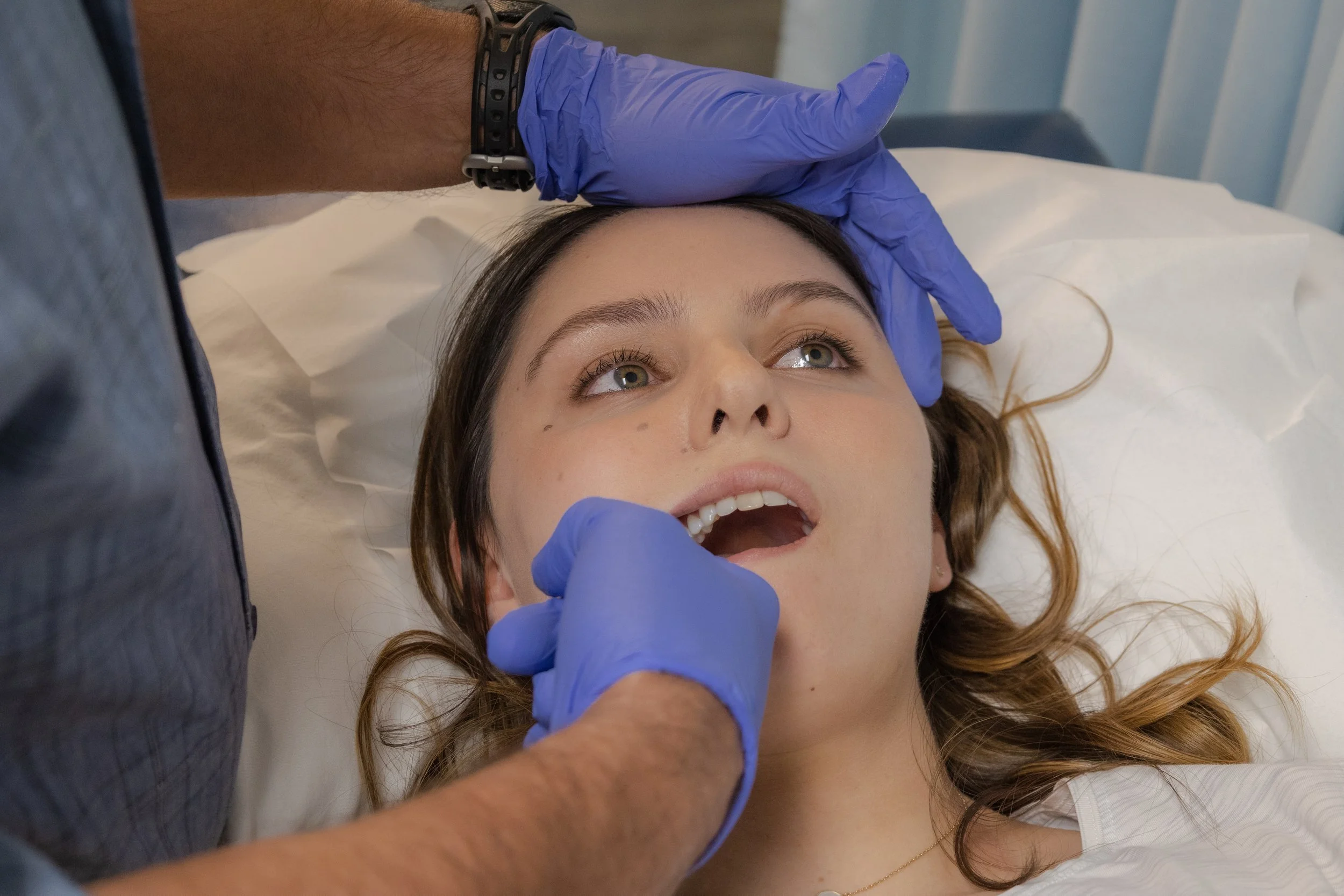
TMJ and jaw physiotherapy is one of the specialized areas of practice at Strathcona Physical Therapy, and our clinic has developed a strong focus on the assessment and rehabilitation of temporomandibular disorders (TMD) and complex jaw-related concerns.
Our TMJ physiotherapy program is further strengthened through clinical collaboration with the University of Alberta Oral Medicine team, supporting communication and coordinated care for patients whose jaw concerns may benefit from both physiotherapy and oral medicine expertise.
Jaw pain and TMD can affect much more than chewing. Symptoms may interfere with eating, speaking, yawning, sleeping, and everyday comfort, and some people may also experience headaches, facial pain, or associated neck symptoms.
Our physiotherapists assess and treat concerns including:
Jaw and facial pain
Pain or difficulty with chewing
Restricted or painful mouth opening
Jaw clicking, catching, or locking
Changes in jaw movement or coordination
Muscle tension around the jaw, face, or neck
Headaches associated with jaw or neck symptoms
Jaw symptoms following injury or trauma
Rehabilitation following certain dental or jaw procedures, when appropriate
A Specialized Approach to Jaw Assessment
Depending on your presentation, your physiotherapist may assess jaw opening and movement, TMJ mobility, muscle function, movement coordination, cervical spine function, and the activities that aggravate your symptoms.
Treatment is individualized and may include jaw mobility and motor-control exercises, therapeutic exercise, education and self-management strategies, manual therapy, and treatment of relevant cervical or muscular contributors when appropriate.
Our goal is to provide high-quality, specialized TMJ physiotherapy that helps you reduce symptoms, improve jaw function, restore comfortable movement, and return to eating, speaking, and everyday activities with greater confidence.
Learn More About Our TMJ & Jaw Physiotherapy →
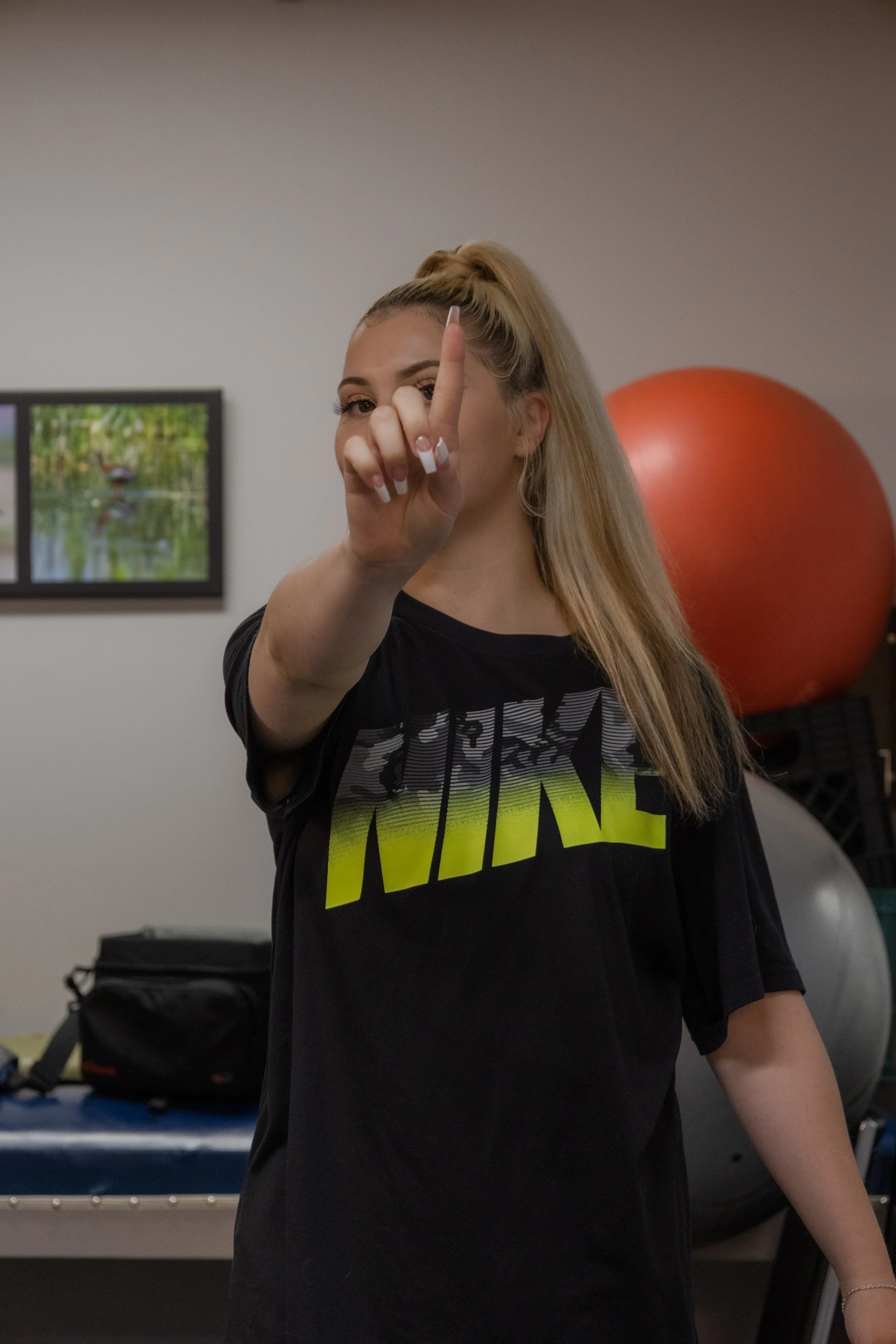
Vestibular Physiotherapy
Dizziness, vertigo, and balance problems can make everyday activities surprisingly difficult. Turning your head, getting out of bed, walking through a busy environment, driving, working, or exercising may become uncomfortable or challenging when the vestibular system is not functioning as expected.
At Strathcona Physical Therapy, we provide specialized vestibular physiotherapy in Edmonton for people experiencing dizziness, vertigo, balance difficulties, and other vestibular concerns.
Our physiotherapists assess and treat concerns including:
Benign Paroxysmal Positional Vertigo (BPPV)
Dizziness and vertigo
Vestibular hypofunction
Balance and unsteadiness
Motion sensitivity
Gaze instability
Difficulty with head or body movement
Persistent dizziness following vestibular conditions
Vestibular symptoms associated with concussion, when appropriate
A Specialized Approach to Dizziness & Balance
Vestibular symptoms can have different causes, so treatment begins with a detailed assessment rather than assuming that all dizziness is the same.
Depending on your presentation, your physiotherapist may assess eye movements, positional responses, gaze stability, balance, walking, head-movement tolerance, motion sensitivity, cervical function, and other relevant systems.
Treatment is individualized and may include canalith repositioning manoeuvres for appropriate cases of BPPV, gaze-stabilization exercises, habituation, balance and walking exercises, progressive movement or activity exposure, and education and self-management strategies.
Our goal is to help you understand your symptoms, improve balance and movement tolerance, reduce the impact of dizziness, and return more confidently to everyday activities, work, exercise, and recreation.
Learn More About Vestibular Physiotherapy →

Pelvic Floor Physiotherapy
Pelvic health concerns are common, but they can sometimes be difficult to talk about. Symptoms may affect exercise, pregnancy and postpartum recovery, bladder or bowel function, sexual health, comfort, and confidence in everyday activities.
At Strathcona Physical Therapy, we provide individualized pelvic floor physiotherapy in Edmonton in a private, respectful, and supportive clinical environment.
Pelvic floor physiotherapy may help people experiencing concerns including:
Urinary leakage or urgency
Increased urinary frequency
Pelvic pain
Pain with sexual activity
Pregnancy-related pelvic or low-back pain
Postpartum recovery
Pelvic floor weakness or coordination difficulties
Pelvic organ prolapse symptoms
Bowel-related pelvic floor concerns
Difficulty returning to exercise or physical activity during or after pregnancy
A Personalized Approach to Pelvic Health
Pelvic floor physiotherapy looks beyond the pelvic floor muscles alone. Depending on your concerns, your physiotherapist may consider pelvic floor function, breathing, abdominal and trunk function, hip and pelvic movement, strength, pressure management, and the activities that are important to you.
Treatment is individualized and may include pelvic floor muscle training or relaxation, breathing and coordination exercises, strengthening, movement and exercise rehabilitation, education, bladder or bowel strategies, and other physiotherapy approaches when appropriate.
If an internal pelvic floor examination or treatment is clinically relevant, your physiotherapist will explain what it involves and obtain your informed consent beforehand. You can ask questions, decline, or stop any part of an assessment or treatment at any time.
Our goal is to help you better understand your pelvic health, improve function and confidence, and return to the activities that matter to you with a plan tailored to your needs.
Learn More About Pelvic Floor Physiotherapy →

Schroth Therapy for Scoliosis
Scoliosis is a three-dimensional change in the shape and alignment of the spine and trunk. Because each person's curve pattern and presentation are different, scoliosis-specific rehabilitation should also be individualized.
At Strathcona Physical Therapy, we provide Schroth-based scoliosis physiotherapy in Edmonton for adolescents and adults with scoliosis.
The Schroth approach differs from a general exercise program. Exercises and postural strategies are selected and adapted according to the individual's curve pattern, posture, movement, physical abilities, symptoms, and goals.
Schroth-based physiotherapy may be appropriate for people looking to:
Better understand their scoliosis and individual curve pattern
Improve postural awareness and active self-correction
Improve trunk strength, control, and endurance
Address movement or functional limitations
Learn scoliosis-specific breathing and expansion strategies
Develop strategies for sitting, standing, exercise, and everyday activities
Stay physically active with an individualized exercise program
Manage pain or physical symptoms when present
A Three-Dimensional Approach to Scoliosis
Schroth-based rehabilitation uses three-dimensional self-correction, individualized exercises, postural strategies, and specific breathing principles to address the person's unique spinal and trunk presentation.
Your physiotherapist may assess posture, spinal and trunk alignment, movement, breathing mechanics, strength, balance, and functional activities to help develop an individualized program.
For adolescents who are still growing, physiotherapy may form one part of a broader scoliosis management plan. When appropriate, care may occur alongside medical monitoring, imaging, or bracing recommendations from the patient's physician or scoliosis specialist.
The goal of Schroth-based physiotherapy is to help you develop better awareness and active control of your posture, improve physical function, manage symptoms when present, and build strategies that can be incorporated into everyday life.
Learn More About Schroth Therapy for Scoliosis →
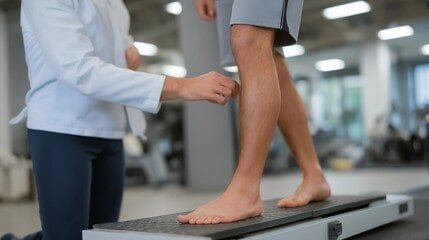
Motor Vehicle Accident Physiotherapy
A motor vehicle accident can result in more than one injury or symptom at the same time. Neck or back pain, headaches, dizziness, jaw symptoms, reduced mobility, weakness, and difficulty returning to work or everyday activities can all affect recovery.
At Strathcona Physical Therapy, we provide individualized physiotherapy following motor vehicle accidents in Edmonton, from the initial assessment through rehabilitation and return to function.
Depending on your injuries and symptoms, physiotherapy may address concerns including:
Neck and back pain
Whiplash-associated symptoms
Muscle and joint injuries
Headaches
Shoulder or extremity injuries
Reduced mobility or strength
Dizziness and balance difficulties
Concussion-related physical symptoms
TMJ and jaw concerns
Difficulty returning to work, exercise, driving, or everyday activities
Rehabilitation Based on Your Injuries & Goals
Your physiotherapist will assess your individual presentation and develop a rehabilitation plan based on your symptoms, physical findings, functional limitations, and recovery goals.
Treatment may include therapeutic exercise, progressive strengthening, mobility and movement rehabilitation, education, activity and load progression, manual therapy, vestibular or concussion rehabilitation, TMJ physiotherapy, and other appropriate interventions depending on your needs.
Our team is also experienced in working within Alberta's motor vehicle accident insurance system and can assist with the physiotherapy documentation and communication required for your claim when appropriate.
Our goal is to help you restore function, rebuild physical capacity, and progressively return to work, exercise, and the everyday activities that matter to you.
Learn More About Motor Vehicle Accident Physiotherapy →
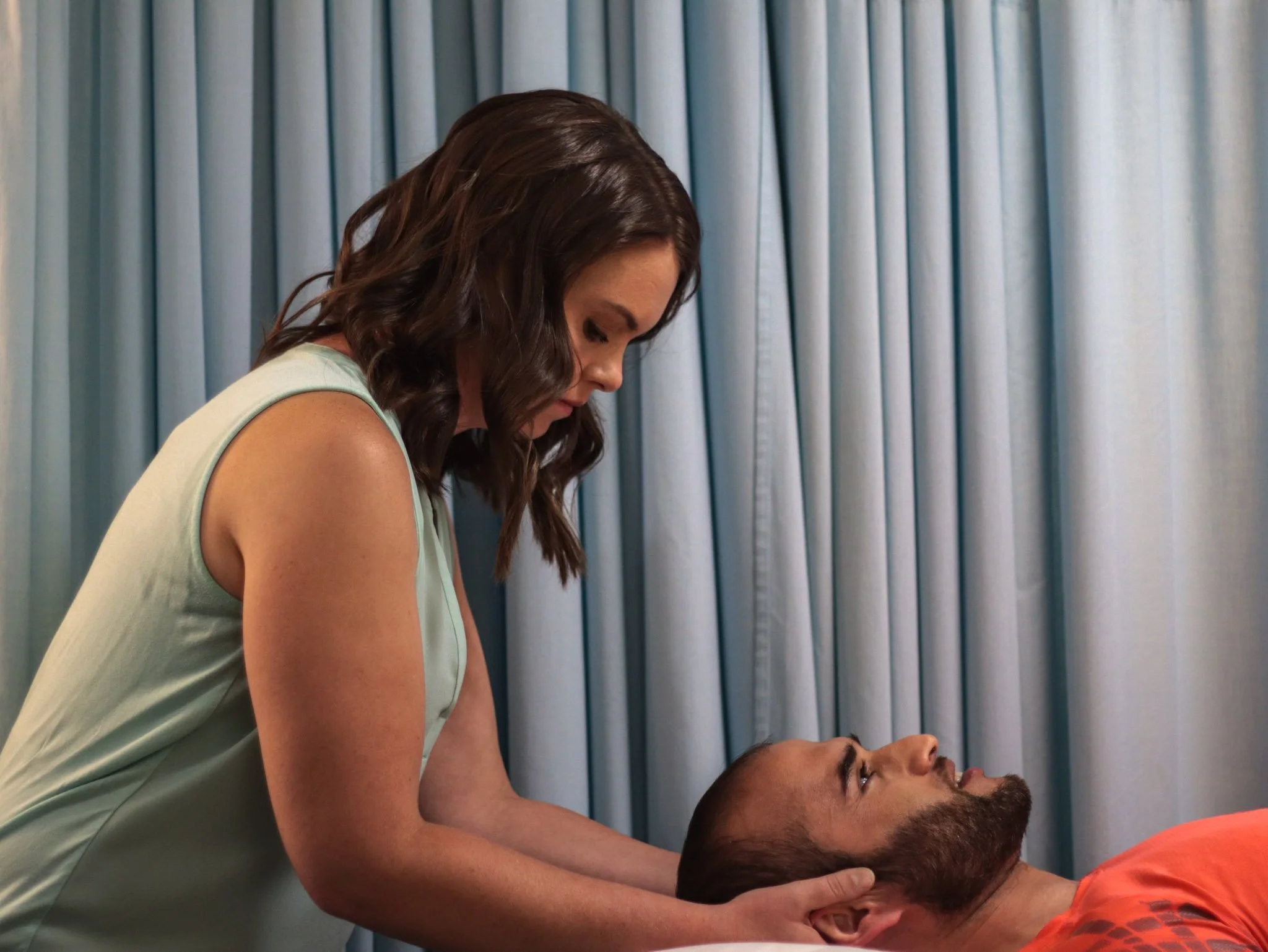
WCB & Work-Related Injury Physiotherapy
A workplace injury can affect more than your ability to do your job. Pain, weakness, stiffness, reduced mobility, or loss of physical capacity can also make exercise, household activities, recreation, and everyday movement more difficult.
At Strathcona Physical Therapy, we provide physiotherapy for WCB and work-related injuries in Edmonton, with rehabilitation tailored to your injury, physical demands, and goals for returning to function.
We assess and treat a range of work-related concerns, including:
Sprains and strains
Back and neck injuries
Shoulder and upper-extremity injuries
Hip, knee, ankle, and lower-extremity injuries
Muscle and tendon injuries
Repetitive-load and overuse conditions
Injuries related to lifting, pushing, pulling, or other physical work
Reduced strength, mobility, or physical tolerance following injury
Rehabilitation With Your Work Demands in Mind
Your physiotherapist will assess your symptoms and physical function while also considering the specific demands of your job.
Depending on your injury and stage of recovery, treatment may include mobility exercises, progressive strengthening, movement retraining, education, activity and load progression, manual therapy, and functional exercises related to the demands of your work.
As rehabilitation progresses, treatment can focus on rebuilding the strength, endurance, movement, and physical capacity needed for a safe and sustainable return to your usual activities and work duties.
Our clinic is experienced in providing physiotherapy within the Workers’ Compensation Board – Alberta (WCB-Alberta) system and completing relevant physiotherapy documentation and communication as required.
Our goal is to help you recover function, rebuild capacity, and progress toward a safe and appropriate return to work and everyday life.
Learn More About WCB & Work-Related Injury Physiotherapy →

Concussion Management & Rehabilitation
A concussion can affect much more than your ability to exercise. Symptoms may interfere with work, school, reading, driving, screen use, sleep, physical activity, and everyday life, and recovery can look different from one person to another.
At Strathcona Physical Therapy, we provide individualized concussion assessment and rehabilitation in Edmonton, with particular attention to the physical systems that may contribute to ongoing symptoms and difficulty returning to activity.
People may seek concussion rehabilitation for concerns including:
Headaches
Dizziness or vertigo
Balance difficulties
Sensitivity to movement
Visual or gaze-related difficulties
Neck pain and stiffness
Reduced tolerance for physical activity
Difficulty returning to exercise or sport
Symptoms provoked by busy or visually demanding environments
Persistent symptoms following concussion
An Individualized Approach to Concussion Recovery
Concussion rehabilitation is not the same for everyone. Depending on your symptoms and presentation, your physiotherapist may assess cervical spine function, balance, vestibular function, eye and head movement, exercise tolerance, movement, and other relevant physical factors.
Treatment may include vestibular rehabilitation, balance and gaze-stabilization exercises, cervical rehabilitation, progressive aerobic exercise, movement and activity progression, education, and strategies for gradually returning to work, school, exercise, or sport when appropriate.
When symptoms or concerns fall outside the physiotherapist's scope, collaboration with or referral to other healthcare professionals may be appropriate as part of concussion care.
Our goal is to help you understand your recovery, progressively rebuild your tolerance for activity, address relevant physical impairments, and return safely and confidently to the activities that matter to you.
Learn More About Concussion Management & Rehabilitation →
Shockwave Therapy
Extracorporeal Shockwave Therapy (ESWT) is a non-invasive treatment that uses externally applied acoustic pressure waves and may be incorporated into physiotherapy for selected persistent musculoskeletal conditions.
At Strathcona Physical Therapy, Shockwave Therapy is used when clinically appropriate and as part of an individualized rehabilitation plan, rather than as a stand-alone treatment for every type of pain.
What Conditions May Shockwave Therapy Help?
Depending on your assessment and individual circumstances, ESWT may be considered for certain conditions such as:
Plantar fasciopathy / persistent plantar heel pain
Achilles tendinopathy
Patellar tendinopathy
Lateral elbow tendinopathy
Certain rotator cuff–related tendon conditions, including some calcific presentations
Other selected persistent tendon or soft-tissue conditions when appropriate
Part of Your Physiotherapy Plan
Before recommending Shockwave Therapy, your physiotherapist will assess your symptoms, health history, physical findings, and rehabilitation goals to determine whether it is an appropriate option for you.
When used, Shockwave Therapy may be combined with progressive exercise, strengthening, mobility work, activity and load management, education, and other physiotherapy interventions based on your condition.
Your physiotherapist will explain what to expect, discuss relevant precautions or contraindications, and determine an appropriate treatment approach based on your individual presentation.
The goal is not simply to treat the painful area, but to combine appropriate symptom-management strategies with rehabilitation that helps you rebuild function and physical capacity.
Learn More About Shockwave Therapy →


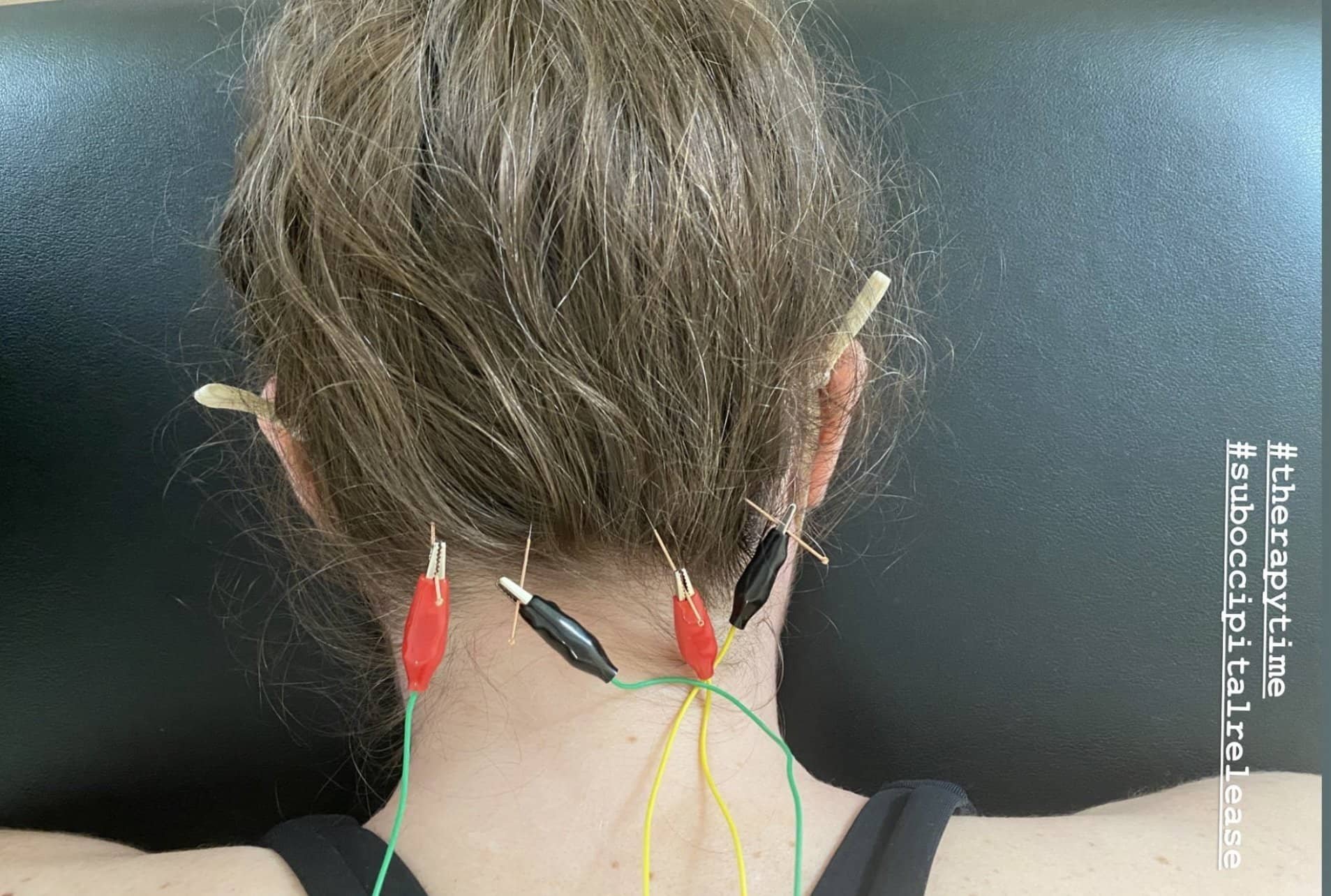
Dry Needling, IMS & Acupuncture
Some of our physiotherapists have additional training in Dry Needling, Intramuscular Stimulation (IMS), and acupuncture, which may be incorporated into physiotherapy treatment when appropriate for your individual presentation.
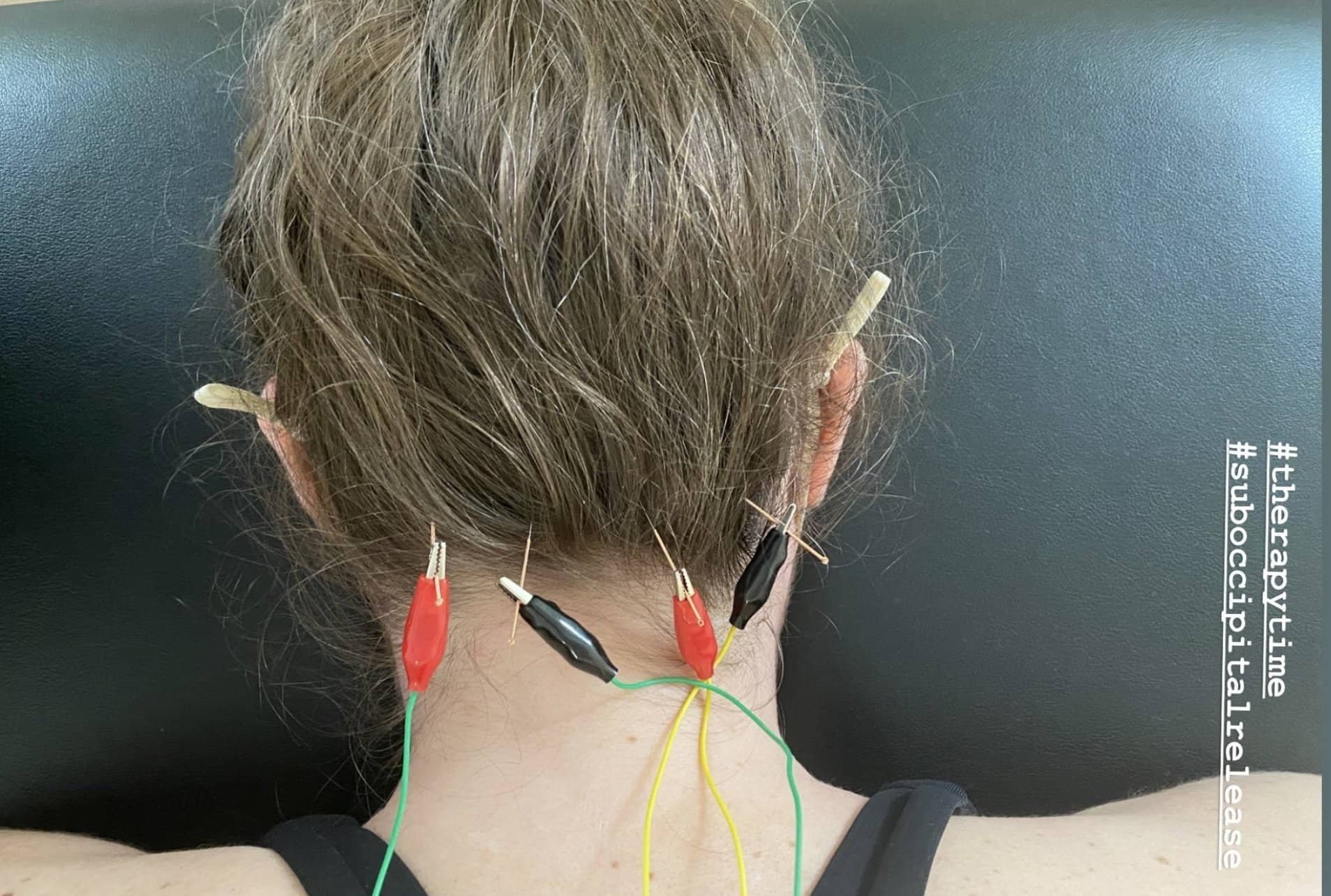
These techniques use fine, sterile, single-use needles and may be considered as one component of treatment for certain musculoskeletal pain and movement-related concerns.
Dry Needling & IMS
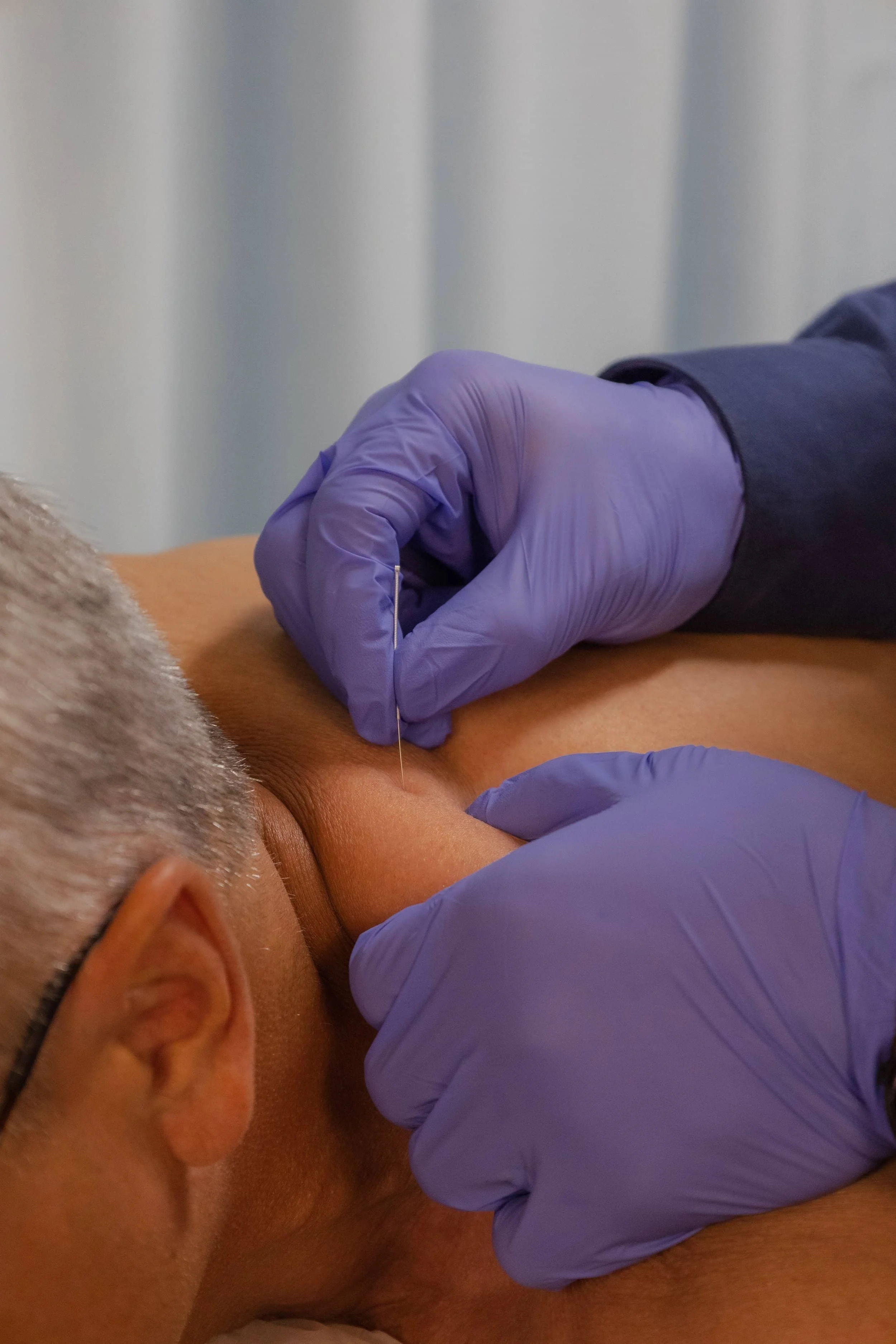
Dry Needling and IMS involve inserting fine needles into selected muscles or tissues based on the physiotherapist’s assessment.
Depending on your presentation, needling may be used to help modulate pain, address muscle sensitivity or tension, and support comfortable movement while you work on the active components of rehabilitation.
Acupuncture
Acupuncture may also be incorporated by appropriately trained physiotherapists as an adjunct to treatment, particularly when the goal includes short-term pain management or symptom relief.
Part of a Broader Rehabilitation Plan
Needling is not intended to replace the active components of physiotherapy. When used, it is typically combined with approaches such as therapeutic exercise, progressive strengthening, mobility work, movement retraining, education, and activity or load management based on your needs.
Your physiotherapist will discuss whether needling is appropriate for you, explain the procedure, review relevant precautions, and obtain your informed consent before treatment.
Learn More About Dry Needling / IMS & Acupuncture →


Our Approach to Physiotherapy
Good physiotherapy is not about applying the same treatment to every person with the same diagnosis. At Strathcona Physical Therapy, rehabilitation begins with understanding you, your symptoms, physical findings, activities, goals, and the demands of your everyday life.
Your treatment plan is then developed around what is most relevant to your recovery.
Assessment Comes First
Before deciding how to treat a problem, we work to understand it. Depending on your concern, your physiotherapist may assess mobility, strength, movement, balance, coordination, physical capacity, and the activities that reproduce or limit your symptoms.
Active Rehabilitation
Exercise and progressive rehabilitation are important components of care for many conditions. Your program may include mobility exercises, strengthening, balance or coordination training, movement retraining, and gradual progression toward the activities you want to return to.
Education & Self-Management
Understanding your condition can help you participate more confidently in your recovery. We provide practical guidance around activity, exercise, symptom management, pacing or load modification, and strategies you can use outside the clinic.
Hands-On Treatment When Appropriate
Manual therapy and other hands-on techniques may be incorporated when they are relevant to your symptoms and treatment goals. These approaches are generally used to support movement, symptom management, and participation in active rehabilitation rather than being the entire treatment plan.
Specialized Treatments When They Add Value
Depending on your assessment and the training of your physiotherapist, treatment may also incorporate approaches such as Dry Needling/IMS, acupuncture, Shockwave Therapy, vestibular rehabilitation, TMJ rehabilitation, pelvic health physiotherapy, or scoliosis-specific exercises when appropriate.
Progressing Toward What Matters to You
Recovery is about more than changing a measurement on an assessment. As you improve, rehabilitation can progress toward the demands of your work, sport, exercise, recreation, and everyday activities.
Our goal is to help you understand your condition, rebuild physical capacity, become more confident in movement, and develop the tools you need to manage your health beyond the clinic.
How Long Does Physiotherapy Take?
There is no single treatment timeline that is right for everyone.
How long you may benefit from physiotherapy depends on factors such as the type and severity of your condition, how long symptoms have been present, your overall health, physical demands, rehabilitation goals, and how you respond as treatment progresses.
Some people with relatively straightforward concerns may need only a small number of appointments along with an appropriate home program. Others recovering from surgery, significant injury, concussion, vestibular conditions, persistent pain, or more complex concerns may benefit from rehabilitation over a longer period.
How Often Will I Need Physiotherapy?
Appointment frequency is also individualized. Your physiotherapist will recommend a schedule based on your assessment, stage of recovery, treatment needs, goals, and progress.
As your function improves and you become more independent with your rehabilitation, appointments may become less frequent.
How Do We Know When Physiotherapy Is Working?
Progress is not based on pain alone. Depending on your goals, we may also look at changes in:
Mobility and movement
Strength and physical capacity
Balance or coordination
Tolerance for work or daily activities
Exercise or sport participation
Confidence with movement
Independence with your rehabilitation program
Your treatment plan can be reviewed and adjusted as you progress, with the goal of helping you become increasingly confident and independent in managing your health.
The aim is not to keep you coming to physiotherapy indefinitely—it is to help you make meaningful progress toward your goals and give you the tools to continue moving forward.
Insurance, Direct Billing & Funding
We want the administrative side of accessing physiotherapy to be as straightforward as possible. Depending on your individual circumstances, physiotherapy may be covered through extended health benefits, motor vehicle accident insurance, WCB-Alberta, or other funding sources.
Extended Health Benefits
Many extended health benefit plans include coverage for physiotherapy services. Coverage amounts, annual limits, referral requirements, and other conditions vary between plans.
We recommend checking your individual benefits to understand your physiotherapy coverage.
Direct Billing
Direct billing is available for many eligible insurance plans. When permitted by your insurer and plan, our administrative team can submit your physiotherapy claim electronically on your behalf.
Coverage and direct-billing eligibility depend on your individual plan, and any portion not covered by your insurer remains the patient's responsibility.
Motor Vehicle Accident Claims
If you have been injured in a motor vehicle accident, physiotherapy may be funded through your automobile insurance claim depending on your injuries, claim status, and applicable Alberta insurance processes.
Our team is experienced in working with motor vehicle accident claims and can assist with relevant physiotherapy forms, documentation, and communication with insurers when required.
WCB-Alberta
If your injury occurred at work, physiotherapy may be covered through WCB-Alberta when your claim and treatment are eligible.
Our clinic provides physiotherapy for work-related injuries and can complete relevant physiotherapy reporting and communication as required as part of your WCB claim.
Questions About Your Coverage?
Insurance and funding arrangements can vary from one person to another. If you are unsure about your coverage, direct billing, MVA claim, or WCB physiotherapy, contact our clinic before your appointment and our administrative team can help you understand the next steps.
Why Choose Strathcona Physical Therapy for Physiotherapy?
For more than 60 years, Strathcona Physical Therapy has been part of the Edmonton community, providing physiotherapy while continuing to evolve with advances in rehabilitation and patient care.
Today, our clinic combines that longstanding history with a broad team of physiotherapists, specialized areas of practice, and an individualized approach to rehabilitation.
More Than 60 Years in Edmonton
Strathcona Physical Therapy has a longstanding history of providing physiotherapy in Edmonton. Over the years, our services have expanded while maintaining a strong foundation in orthopaedic, musculoskeletal, and rehabilitation care.
A Broad & Experienced Physiotherapy Team
Our physiotherapists bring different clinical backgrounds, training, and areas of interest. This allows us to help patients with a wide range of injuries, conditions, activity levels, and rehabilitation goals.
General & Specialized Physiotherapy
Alongside orthopaedic and sports physiotherapy, our team provides specialized services in areas including TMJ and jaw physiotherapy, vestibular rehabilitation, concussion management, pelvic health, and Schroth-based scoliosis physiotherapy.
Individualized, Evidence-Informed Care
Treatment begins with understanding your symptoms, physical findings, goals, and the activities that matter to you. Your rehabilitation plan is then adapted to your individual needs rather than following the same protocol for every patient.
An Active Approach to Rehabilitation
Our goal is not simply to provide temporary symptom relief. Physiotherapy may incorporate exercise, progressive strengthening, movement rehabilitation, education, activity and load progression, and self-management, with hands-on treatment or other interventions used when appropriate.
A Multidisciplinary Clinic
Strathcona Physical Therapy brings together physiotherapy, occupational therapy, psychology, massage therapy, and dietitian services within one clinic. When appropriate and with your involvement, this can make collaboration between different healthcare professionals easier.
Care Focused on Your Goals
Your goals help guide your rehabilitation, whether that means walking comfortably, returning to work, caring for your family, getting back to the gym, returning to sport, or simply feeling more confident in everyday movement.
Our goal is to provide physiotherapy that helps you understand your condition, rebuild your physical capacity, and get back to the activities that matter to you.
Physiotherapy FAQs
Do I need a doctor's referral for physiotherapy?
In most cases, you can book physiotherapy directly without a physician's referral. Physiotherapists are primary-contact healthcare professionals, which means you can see a physiotherapist without a doctor's referral. You can book directly with our physiotherapy team for an assessment and appropriate care.
What should I expect at my first physiotherapy appointment?
Your first appointment typically includes a discussion of your symptoms, health and injury history, activities, and goals, followed by a physical assessment tailored to your concern. Your physiotherapist will explain the findings and discuss an individualized treatment plan with you. Treatment or initial exercises may also begin during the first appointment when appropriate.
What should I wear to physiotherapy?
Wear comfortable clothing that allows you to move and, when possible, provides access to the area being assessed. Athletic clothing such as shorts, a T-shirt, or comfortable exercise clothing is often helpful.
What should I bring to my first appointment?
Please bring any relevant referral, imaging or medical reports, insurance or claim information, and a list of medications when applicable. For an MVA or WCB injury, bring any claim information you have available.
What conditions do your physiotherapists treat?
Our team provides general orthopaedic and sports physiotherapy as well as specialized services for TMJ and jaw conditions, dizziness and vestibular disorders, concussion, pelvic health concerns, scoliosis, motor vehicle accident injuries, workplace injuries, and a wide range of musculoskeletal conditions.
How long will I need physiotherapy?
There is no set number of appointments that is appropriate for everyone. The length and frequency of treatment depend on factors such as your condition, severity, stage of recovery, physical demands, goals, and response to rehabilitation. Your physiotherapist will discuss recommendations with you and adjust your plan as you progress.
Will I receive exercises to do at home?
For many conditions, exercises or self-management strategies are an important part of rehabilitation. Your physiotherapist may provide an individualized program to help you work on mobility, strength, movement, balance, or other relevant goals between appointments.
Does physiotherapy have to hurt to work?
No. Some assessment or rehabilitation activities may temporarily reproduce symptoms, particularly when gradually rebuilding tolerance to movement or physical load, but treatment does not need to be excessively painful to be effective. Your physiotherapist can adjust treatment based on your response and comfort.
Do you offer Dry Needling, IMS or acupuncture?
Yes. Some of our physiotherapists have additional training in Dry Needling, Intramuscular Stimulation (IMS), and acupuncture. These treatments may be incorporated when appropriate based on your assessment and the training of your physiotherapist.
Do you offer Shockwave Therapy?
Yes. Extracorporeal Shockwave Therapy (ESWT) is available for selected musculoskeletal conditions when clinically appropriate. Your physiotherapist can assess whether Shockwave Therapy may be suitable as part of your rehabilitation plan.
Do you provide physiotherapy after a motor vehicle accident?
Yes. We provide physiotherapy for motor vehicle accident injuries and are experienced with the physiotherapy documentation and communication involved in Alberta MVA claims. Depending on your presentation, care may include orthopaedic, TMJ, vestibular, or concussion-related rehabilitation when appropriate.
Do you accept WCB-Alberta patients?
Yes. We provide physiotherapy for eligible work-related injuries and work with WCB-Alberta as part of the rehabilitation and return-to-work process.
Is physiotherapy covered by insurance?
Many extended health benefit plans include physiotherapy coverage, but annual limits, reimbursement amounts, referral requirements, and other conditions vary. We recommend checking your individual plan.
Do you offer direct billing?
Direct billing is available for many eligible insurance plans. Eligibility depends on your insurer and individual benefit plan. Our administrative team can help you with billing questions before your appointment.
Which physiotherapist should I book with?
Different members of our team have different areas of training and clinical interest. You can review our physiotherapists' profiles when booking, or contact our administrative team and we can help direct you to an appropriate physiotherapist based on the service you are looking for.