Orthopaedic & Sports Injury Physiotherapy
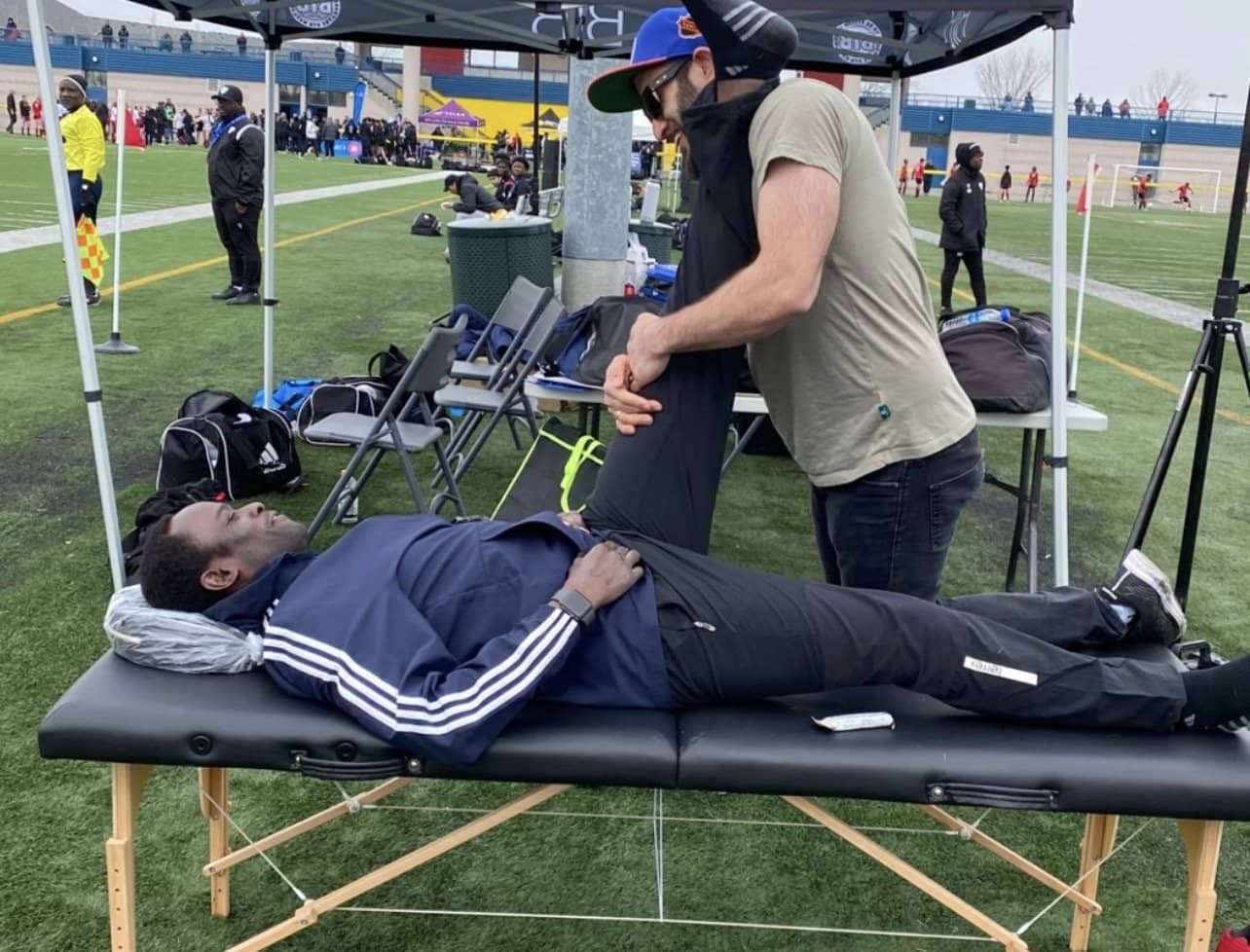
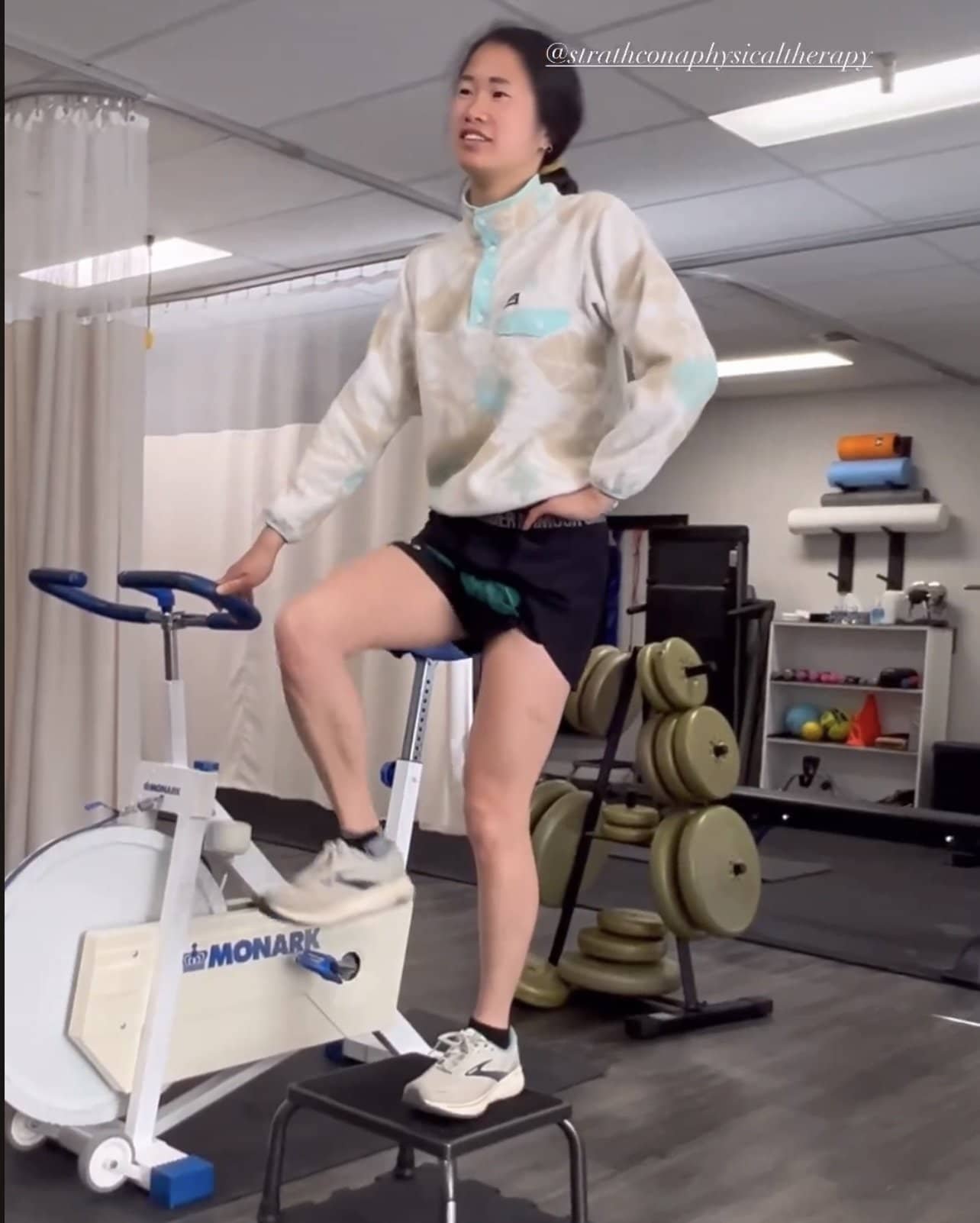
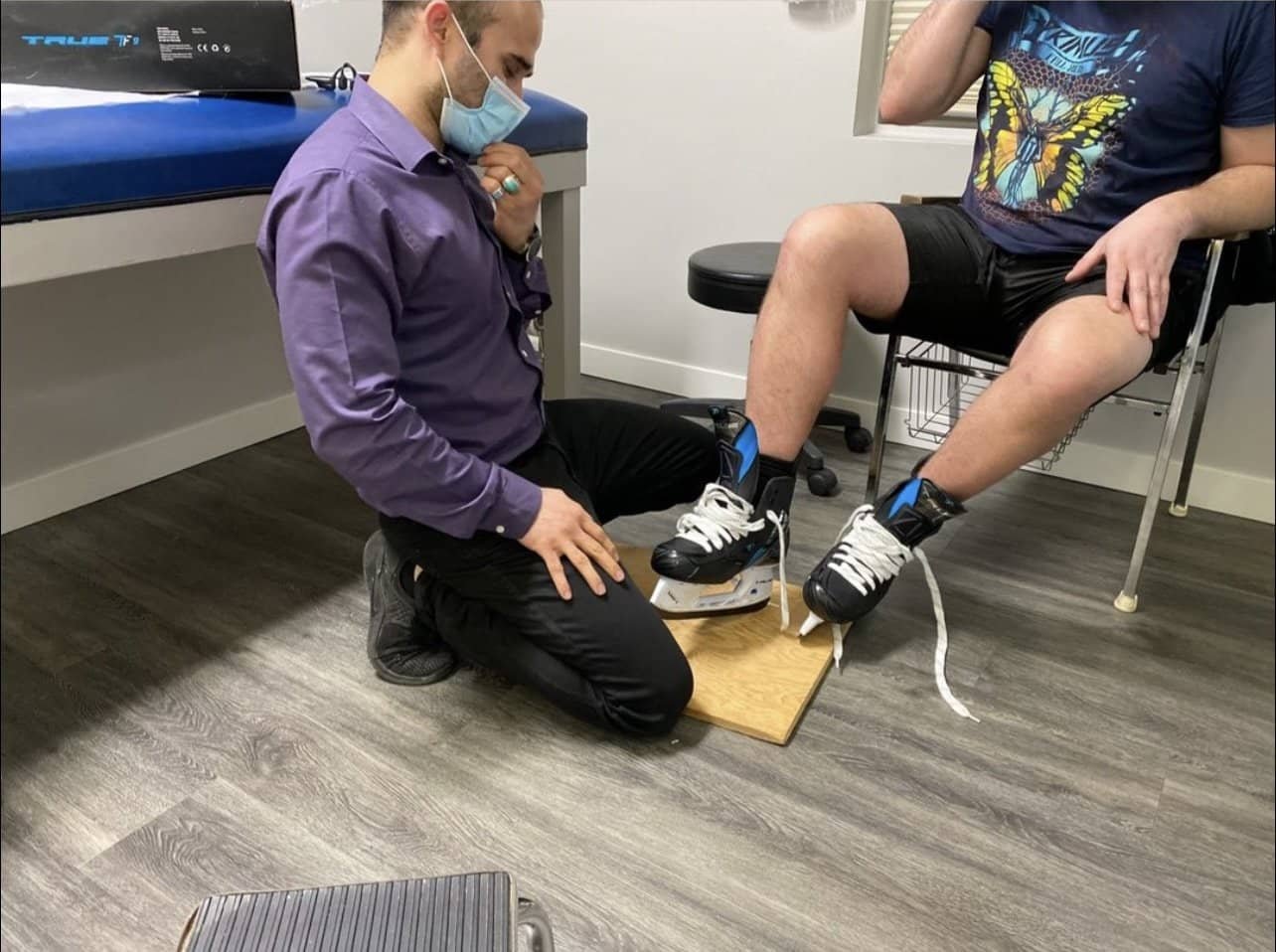
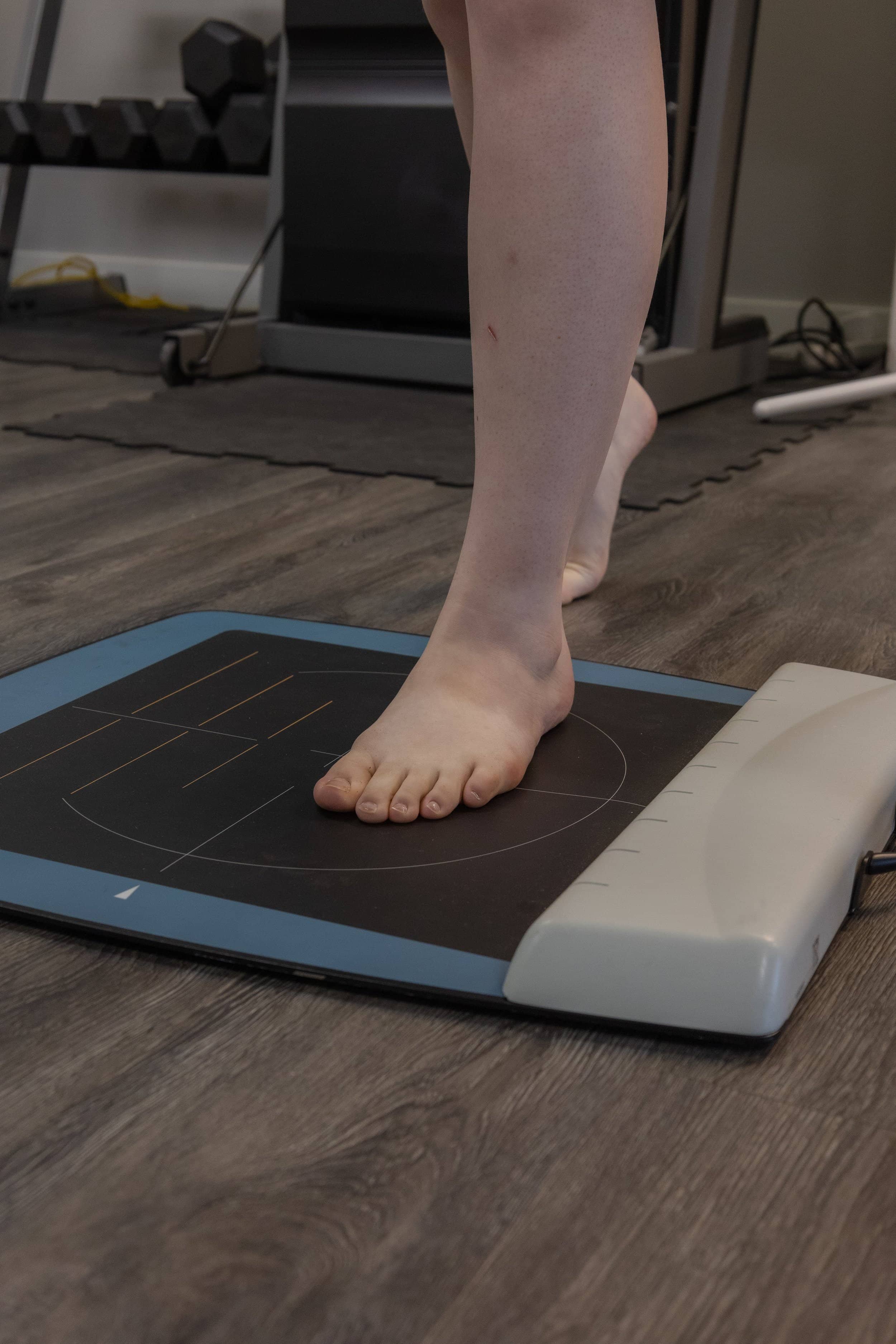
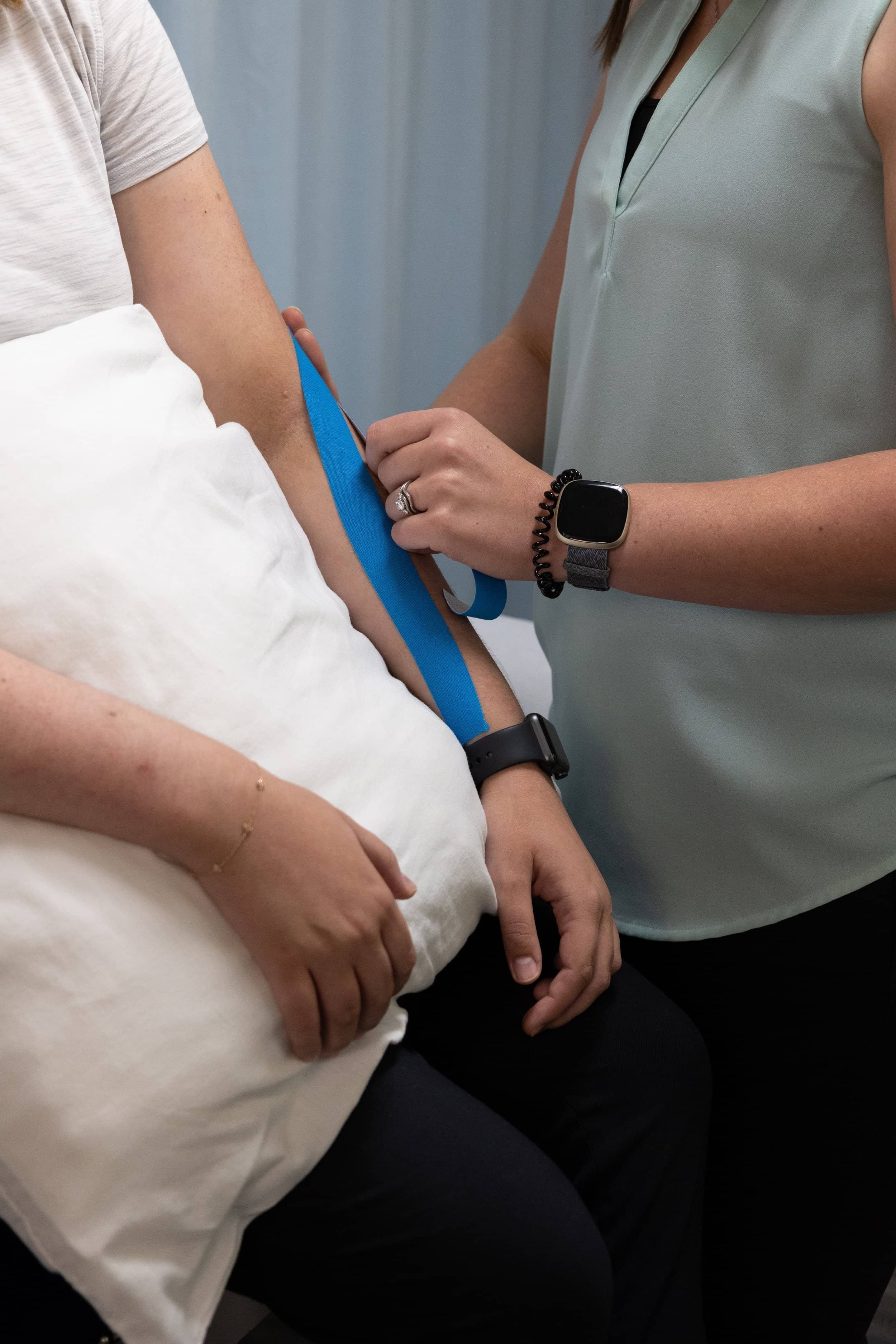
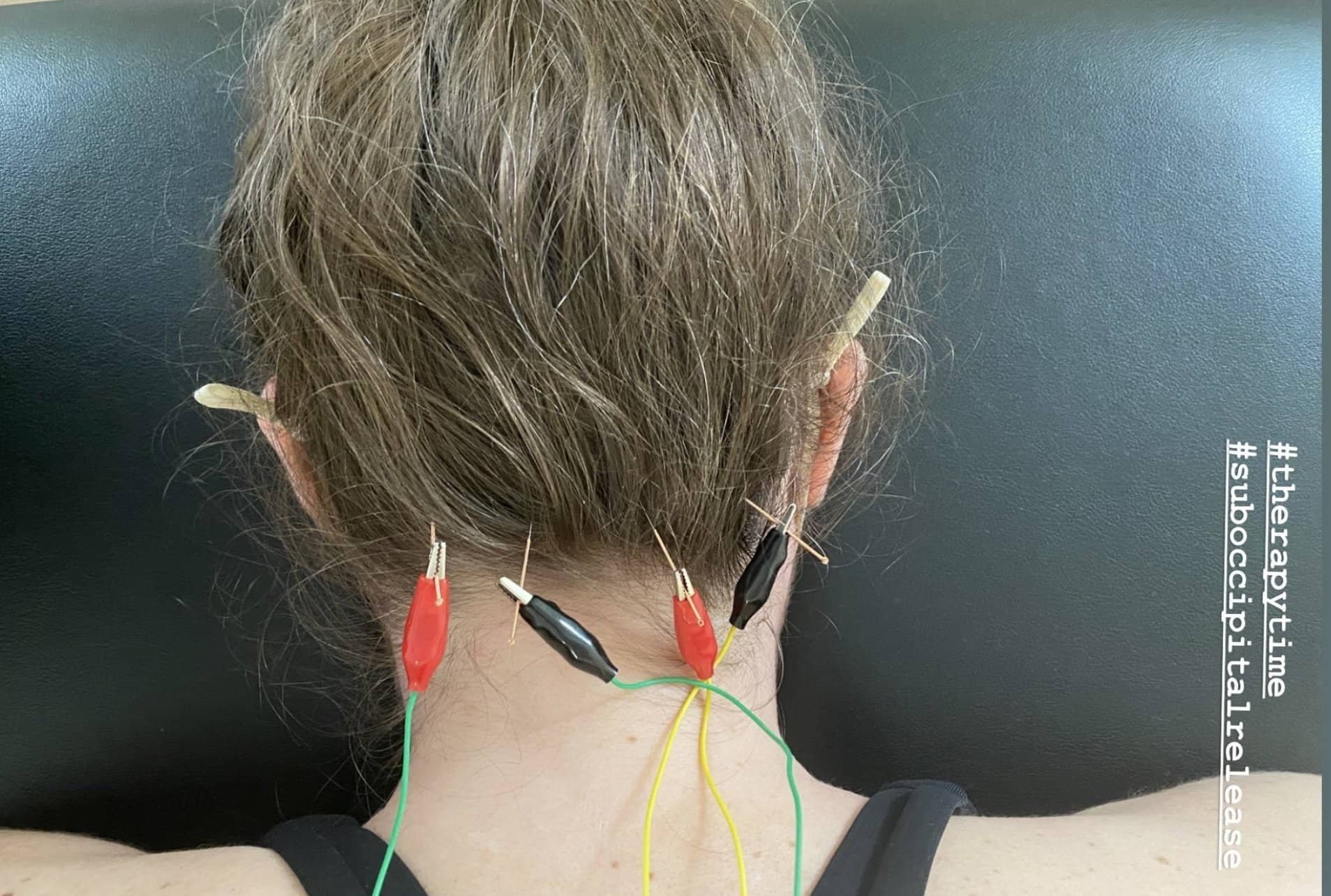
An injury can affect much more than your ability to exercise. Pain, weakness, stiffness, swelling, reduced mobility, and loss of confidence in movement can make it difficult to work, train, play sport, or keep up with everyday activities.
At Strathcona Physical Therapy, we provide individualized orthopaedic and sports physiotherapy in Edmonton for people recovering from acute injuries, overuse conditions, fractures, surgery, and other musculoskeletal problems.
Our physiotherapists assess not only the injured area, but also the strength, mobility, movement, load tolerance, and functional demands that matter for your recovery. Treatment is tailored to your goals, whether that means walking comfortably again, returning to work, getting back to the gym, or safely returning to competitive sport.
We treat a wide range of orthopaedic and sports-related concerns, including sprains and strains, muscle and tendon injuries, shoulder and knee injuries, ankle and foot injuries, hip and back pain, overuse injuries, post-fracture rehabilitation, and recovery following orthopaedic surgery.
Treatment may include education, therapeutic exercise, progressive strengthening and loading, mobility work, manual therapy, movement retraining, and sport- or activity-specific rehabilitation when appropriate.
For athletes, returning to sport involves more than waiting for pain to disappear. Rehabilitation should progressively rebuild the strength, mobility, endurance, movement control, confidence, and sport-specific capacity required for the demands of training and competition.
Our goal is to help you restore function, rebuild capacity, and return to the activities and sports that matter to you with confidence.
What Is Orthopaedic Physiotherapy?
Orthopaedic physiotherapy focuses on conditions affecting the muscles, joints, bones, tendons, ligaments, and other parts of the musculoskeletal system.
Whether your symptoms began suddenly after an injury, developed gradually with repetitive activity, or followed surgery or a fracture, physiotherapy aims to restore the function you need for everyday life.
Treatment is based on your individual assessment and may focus on mobility, strength, balance, movement, load tolerance, and functional capacity.
The goal is not simply to reduce pain. It is to help you regain the physical abilities needed to return to work, exercise, recreation, sport, and everyday activities.
What Sports Injuries Do We Treat?
Sports injuries can occur suddenly, such as landing awkwardly or changing direction, or develop gradually when training demands exceed the body's current capacity.
At Strathcona Physical Therapy, we assess and rehabilitate a wide range of recreational and athletic injuries, including:
Ankle sprains
Muscle strains
Tendon injuries and tendinopathies
Knee injuries
Shoulder injuries
Hip and groin injuries
Foot and ankle conditions
Running-related injuries
Overuse injuries
Injuries following falls, collisions, or changes in direction
Rehabilitation following fractures or orthopaedic surgery
You do not need to be a competitive athlete to benefit from sports rehabilitation. Treatment is adapted to your activity, your goals, and the physical demands you want to return to.
Sprains & Strains
A sprain involves a ligament, while a strain involves muscle or tendon tissue.
These injuries can range from relatively minor to more significant injuries that affect strength, mobility, balance, and the ability to walk, run, lift, or participate in sport.
Early rehabilitation may focus on protecting the injured area while gradually restoring movement and function. As recovery progresses, treatment typically becomes more active, with progressive strengthening, balance or neuromuscular training, and functional exercises relevant to your activities.
The appropriate progression depends on the tissue involved, severity of injury, symptoms, and functional demands.
Tendon & Overuse Injuries
Tendon and overuse injuries often develop when the demands placed on a tissue repeatedly exceed its current capacity to tolerate them.
Common examples include:
Achilles tendinopathy
Patellar tendinopathy
Rotator cuff tendinopathy
Lateral elbow tendinopathy
Running-related overuse injuries
Rest alone is not always the answer.
For many tendinopathies, rehabilitation involves managing aggravating loads while progressively rebuilding strength and the tissue's capacity to tolerate activity.
Your physiotherapist can help determine an appropriate starting point and gradually progress exercise based on your symptoms, goals, and activity demands.
Shoulder Injuries
The shoulder needs both mobility and control to perform everything from reaching overhead to lifting, throwing, swimming, and racquet sports.
We assess and rehabilitate a variety of shoulder presentations, including rotator cuff-related pain and tendinopathy, muscle and tendon injuries, instability, stiffness, and rehabilitation following certain shoulder surgeries.
Depending on your presentation, rehabilitation may focus on:
Shoulder mobility
Rotator cuff strength and endurance
Scapular function
Movement coordination
Progressive resistance training
Overhead capacity
Work- or sport-specific movement
For athletes, rehabilitation may eventually progress toward the strength, speed, endurance, control, and load tolerance required for their specific sport.
Knee Injuries
Knee injuries can affect walking, stairs, running, jumping, squatting, work, and sport.
Physiotherapy may be appropriate for conditions involving the muscles, tendons, ligaments, patellofemoral joint, meniscus, or other structures of the knee, as well as rehabilitation following injury or surgery.
Treatment depends on the diagnosis and individual presentation but may include progressive strengthening, mobility work, balance and neuromuscular training, movement retraining, and gradual exposure to running, jumping, landing, or changing direction.
For significant traumatic knee injuries, appropriate medical assessment and imaging may be required before or alongside rehabilitation.
Ankle & Foot Injuries
Ankle and foot injuries are common in both sport and everyday life.
We assess conditions such as:
Ankle sprains
Recurrent ankle instability
Achilles tendon problems
Plantar heel pain
Foot and ankle overuse injuries
Muscle and tendon injuries
Rehabilitation following fractures or surgery
Following an ankle sprain, rehabilitation is particularly important because symptoms improving does not necessarily mean that strength, balance, coordination, and confidence have fully recovered.
Treatment may progressively restore mobility, strength, balance, walking and running tolerance, and the ability to jump, land, or change direction when required.
Post-Fracture Rehabilitation
A fracture may be healed enough for a cast, boot, or other restriction to be removed while the affected area still feels stiff, weak, swollen, or difficult to use normally.
Physiotherapy after a fracture may help restore:
Joint mobility
Muscle strength
Balance
Walking and movement
Functional use of the affected area
Confidence with activity
Gradual return to work, recreation, or sport
Rehabilitation is progressed according to the location and type of fracture, stage of healing, and any weight-bearing or movement restrictions provided by your physician or surgeon.
Physiotherapy After Orthopaedic Surgery
Physiotherapy can be an important part of recovery following many orthopaedic procedures.
Depending on the surgery, rehabilitation may focus on managing swelling, restoring mobility, rebuilding strength, improving walking or functional movement, and gradually returning to everyday and recreational activities.
Your rehabilitation program will respect the specific procedure, stage of tissue healing, surgical precautions, and guidance provided by your surgeon.
Because recovery timelines vary considerably between procedures and individuals, treatment is progressed according to both healing requirements and functional milestones, rather than using the same program for everyone.
What Happens at Your First Physiotherapy Assessment?
Your first appointment begins with understanding what happened, what you are experiencing now, and what you need to get back to.
Your physiotherapist may ask about:
How and when the problem began
Pain and other symptoms
Previous injuries
Medical and surgical history
Work and everyday activities
Exercise and training history
Current training load
Your sport or recreational demands
Your goals for rehabilitation
The physical examination is individualized and may assess mobility, strength, balance, movement, joint or muscle function, functional tasks, and other findings relevant to your condition.
From there, your physiotherapist will discuss the findings and develop a treatment plan based on your goals.
How Does Sports Injury Rehabilitation Work?
Sports rehabilitation bridges the gap between recovering from an injury and being physically prepared for the demands of sport again.
Early rehabilitation may focus on symptoms, mobility, and basic muscle function. As your capacity improves, exercises become progressively more demanding.
Depending on your sport and injury, later rehabilitation may include:
Progressive resistance training
Running
Jumping and landing
Acceleration and deceleration
Changes of direction
Agility
Sport-specific movement
Repeated or higher-intensity efforts
The goal is to progressively expose your body to the demands it will encounter when you return.
Strength & Progressive Loading
Rest can be important after an acute injury, but long-term recovery usually requires rebuilding capacity.
Progressive loading means gradually increasing the amount of stress a recovering muscle, tendon, joint, or other tissue is asked to tolerate.
This might involve progressing:
body-weight movement → resistance exercise → heavier or faster exercise → running or jumping → sport-specific activity
The progression is not identical for everyone. Your physiotherapist considers your injury, stage of healing, symptoms, strength, function, and goals when determining how quickly loading should advance.
The goal is to provide enough challenge to promote adaptation without repeatedly exceeding your current capacity.
Returning to Running or Sport
Feeling better is important, but it is not always enough to determine whether you are ready for full sport.
Return to sport is better viewed as a progressive process, not a single test or date.
Depending on the injury and sport, your physiotherapist may consider:
Pain and symptoms
Range of motion
Strength and endurance
Balance and neuromuscular control
Running tolerance
Jumping and landing ability
Agility and change of direction
Sport-specific performance
Confidence and readiness
The demands and risks of your sport
You may progress from rehabilitation exercises to modified training, then toward fuller participation as your capacity improves.
For some injuries or surgeries, medical or surgical clearance may also be required before returning to unrestricted sport.
Injury Prevention & Reducing Re-Injury Risk
No rehabilitation program can guarantee that another injury will never happen.
However, rehabilitation can address modifiable factors that may contribute to re-injury risk, depending on the injury and sport.
This may include improving:
Strength
Balance and neuromuscular control
Mobility when limited
Landing and movement strategies
Sport-specific conditioning
Training tolerance
Gradual exposure to higher workloads
Previous injury is an important risk factor for some future injuries, making complete rehabilitation particularly important.
Rather than promising to “prevent injuries,” our goal is to help you prepare your body for the demands you expect it to handle and reduce modifiable risks where possible.
At Strathcona Physical Therapy, rehabilitation is built around what you need to return to, not simply where you hurt.
Our approach includes:
Individualized orthopaedic and sports injury assessment
Exercise-based rehabilitation
Progressive strengthening and loading
Movement and functional retraining
Sport- and activity-specific rehabilitation
Return-to-running and return-to-sport progression when appropriate
Post-fracture and post-surgical rehabilitation
Ongoing reassessment as your capacity improves
Whether your goal is to walk without pain, return to work, get back to the gym, run again, or return to your sport, rehabilitation is designed around the demands that matter to you.
Our goal is not simply to get you through an injury. It is to help you rebuild the strength, function, and capacity needed for what comes next.
A Longstanding History in Orthopaedic & Sports Physiotherapy
Orthopaedic and sports physiotherapy has been at the heart of Strathcona Physical Therapy since the early years of our clinic.
When Strathcona Physical Therapy was established more than 60 years ago, the clinic's practice was primarily focused on orthopaedic and sports physiotherapy. For generations, we have helped Edmonton patients recover from musculoskeletal injuries, fractures, surgeries, sports injuries, and other conditions affecting movement and physical function.
Our history in this area has been shaped by physiotherapists with extensive backgrounds in orthopaedic rehabilitation, sports injury management, manual therapy, exercise rehabilitation, and clinical education. Members of our team have also worked with athletes and performers across recreational, university, elite, and international settings.
Over the decades, physiotherapy has evolved, and so has Strathcona. While orthopaedic and sports rehabilitation remains a foundation of our clinic, we have expanded into specialized areas of physiotherapy including TMJ/TMD, vestibular rehabilitation, concussion management, pelvic health, scoliosis, and other areas of advanced practice.
Today, we carry that history forward by combining more than five decades of clinical experience with modern, evidence-informed rehabilitation, including progressive exercise, strength and conditioning, movement retraining, load management, and sport- and activity-specific rehabilitation.
Our orthopaedic and sports roots are not simply part of our history, they continue to shape how we help people recover, rebuild capacity, and return to the activities and sports that matter to them today.
Why Choose Strathcona for Orthopaedic & Sports Physiotherapy?
Our longstanding orthopaedic and sports foundation is carried forward by physiotherapists with extensive clinical experience and advanced training across musculoskeletal rehabilitation, sports injuries, manual therapy, dry needling/IMS, exercise rehabilitation, and other areas of physiotherapy.
Our team has experience working with everyday injuries, post-surgical and post-fracture rehabilitation, recreational and university-level athletes, and professional performers.
Most importantly, rehabilitation is individualized. We assess not only the injured area, but also the strength, mobility, movement, physical demands, and functional capacity needed for your everyday life, work, or sport.
Our goal is to help you restore function, rebuild capacity, and return to activity with confidence.
Orthopaedic & Sports Physiotherapy FAQs
Do I need to be an athlete to see a sports physiotherapist?
No. Sports rehabilitation principles can benefit recreational athletes, active adults, weekend athletes, and anyone whose goal involves returning to demanding physical activity.
Should I completely rest after an injury?
It depends on the injury. Some injuries require a period of protection or activity restriction, but prolonged complete rest is not appropriate for most musculoskeletal injuries.
Your physiotherapist can help determine which activities should temporarily be modified and which movements can safely continue.
Should I wait until my pain is gone before strengthening?
Not necessarily. In many musculoskeletal conditions, appropriately selected exercise can begin while some symptoms are still present.
The amount and type of acceptable discomfort depend on the condition, stage of healing, and individual response, so exercise should be progressed appropriately rather than following one pain rule for every injury.
Can physiotherapy help with an old sports injury?
Yes. Even when an injury happened months or years ago, persistent weakness, stiffness, reduced balance, loss of conditioning, or difficulty tolerating certain activities may still respond to rehabilitation.
Assessment can help determine which factors are currently modifiable.
Do I need an MRI before starting physiotherapy?
Not necessarily. Many musculoskeletal conditions can initially be assessed clinically without advanced imaging.
If your history or examination suggests that imaging or further medical assessment is required, your physiotherapist can recommend appropriate follow-up.
How long will sports injury rehabilitation take?
There is no universal timeline. Recovery depends on the type and severity of injury, tissue involved, stage of healing, previous injuries, physical demands, rehabilitation goals, and response to treatment.
How do I know when I am ready to return to sport?
Return-to-sport decisions should consider more than time since injury or pain alone. Depending on the injury, readiness may involve strength, mobility, functional testing, sport-specific capacity, symptoms, confidence, and the demands of your sport.
Can physiotherapy help after a fracture?
Yes. Once it is medically appropriate to begin or progress rehabilitation, physiotherapy can help address stiffness, weakness, balance, walking, and other functional limitations following a fracture.
Can physiotherapy help after orthopaedic surgery?
Yes. Physiotherapy is commonly used following many orthopaedic surgeries. Rehabilitation must follow the surgeon's precautions and the healing requirements of the specific procedure.
Can physiotherapy reduce my risk of another sports injury?
Rehabilitation cannot eliminate injury risk, but it can address modifiable factors such as strength, balance, movement capacity, conditioning, and preparation for sport-specific demands that may help reduce re-injury risk in appropriate situations.
Transform Your Health at Strathcona Physical Therapy: Comprehensive, Customized, and Caring Approach

Assessment & Diagnosis
Our experts conduct a comprehensive evaluation of your medical history, lifestyle, and pain levels to provide an accurate diagnosis.

Personalized Therapy Plans
Based on your unique needs, we design an optimal rehabilitation program using scientifically backed methods.

Innovative Treatments
Our diverse range of interventions, such as hands-on techniques and exercises, are guided by an experienced team that focuses on patient engagement and empowerment.

Evidence-Based Excellence
We employ scientifically backed therapy methods, harmonizing evidence-based research with skilled therapy to achieve effective treatments and positive outcomes.

Caring Therapists
Our skilled therapists combine technique and compassion to guide you towards a path of recovery and optimal health.

Why Choose Us!
Choose Strathcona Physical Therapy for precise assessments, customized treatment plans, and compassionate care. Schedule an appointment today for a different rehabilitation experience.

Insurance covered:
At Strathcona Physical Therapy, we work with most insurance providers for accessible care.