TMJ Physiotherapy & Jaw Pain Treatment in Edmonton
Jaw pain can affect much more than your jaw. Pain with chewing, clicking or locking, difficulty opening your mouth, facial pain, headaches, and associated neck symptoms can interfere with eating, speaking, sleeping, and everyday life.
At Strathcona Physical Therapy, TMJ physiotherapy has been part of our clinical practice for decades. As one of the pioneers of TMJ physiotherapy in Edmonton and Alberta, our clinic has a long history of assessing and treating temporomandibular disorders (TMD) and complex jaw-related conditions.
Our experience extends beyond the clinic. For more than 20 years, our physiotherapists have worked collaboratively with the University of Alberta's Dentistry/Oral Medicine and Orofacial Pain teams, contributing to multidisciplinary care for patients with complex TMJ, jaw, neck, and orofacial conditions. We also collaborate with dental and medical professionals, including clinicians associated with the Kaye Edmonton Clinic, when coordinated care is appropriate.
Our physiotherapists have advanced training and experience in TMJ and jaw rehabilitation. We assess the jaw as part of a connected system, considering the temporomandibular joints, jaw muscles, cervical spine, movement and coordination, and other factors that may be contributing to your symptoms.
We treat a wide range of TMJ-related concerns, including jaw pain and stiffness, clicking or popping, limited mouth opening, episodes of locking, headaches and facial pain associated with TMD, neck-related symptoms, and difficulties following dental procedures, trauma, or jaw surgery.
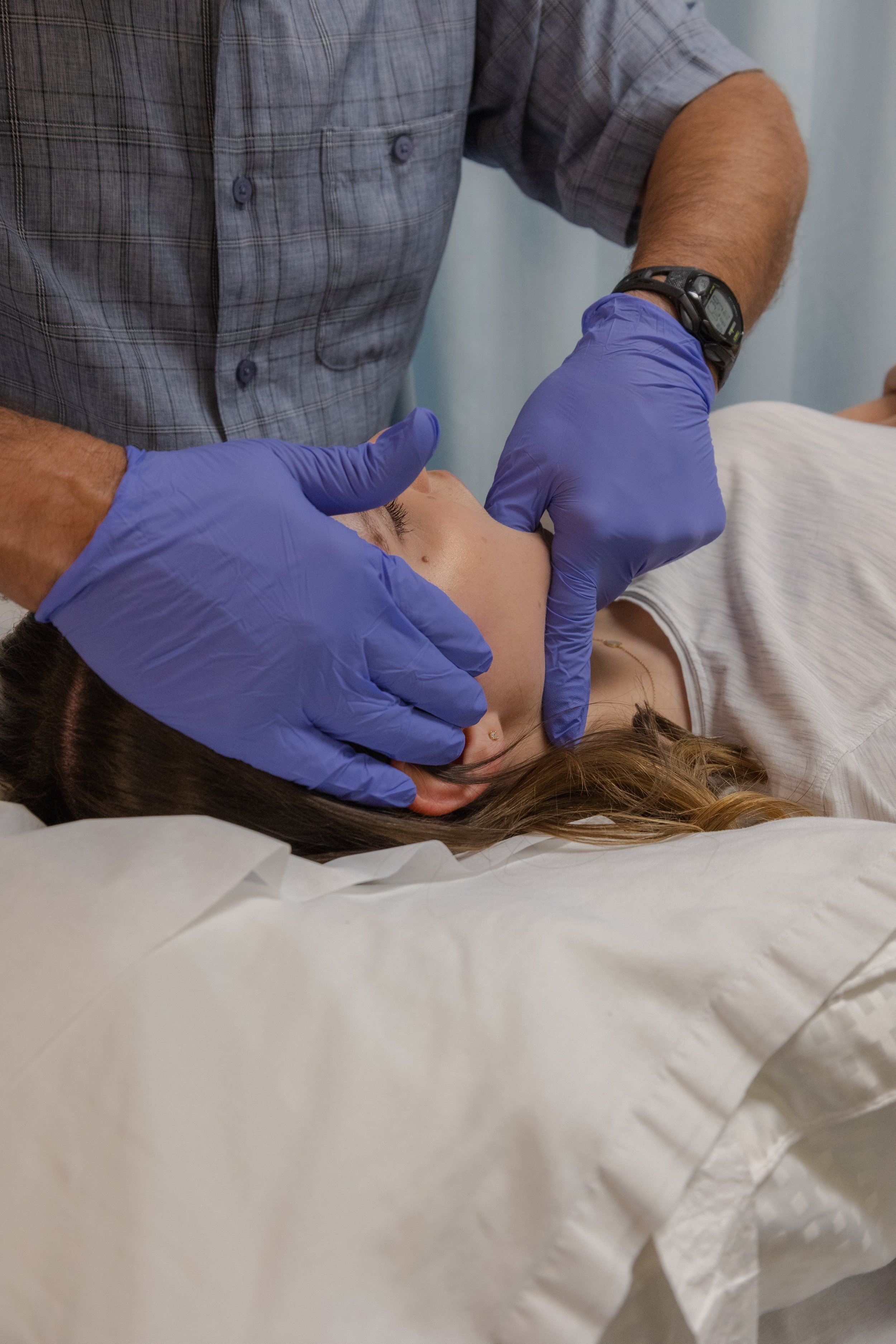
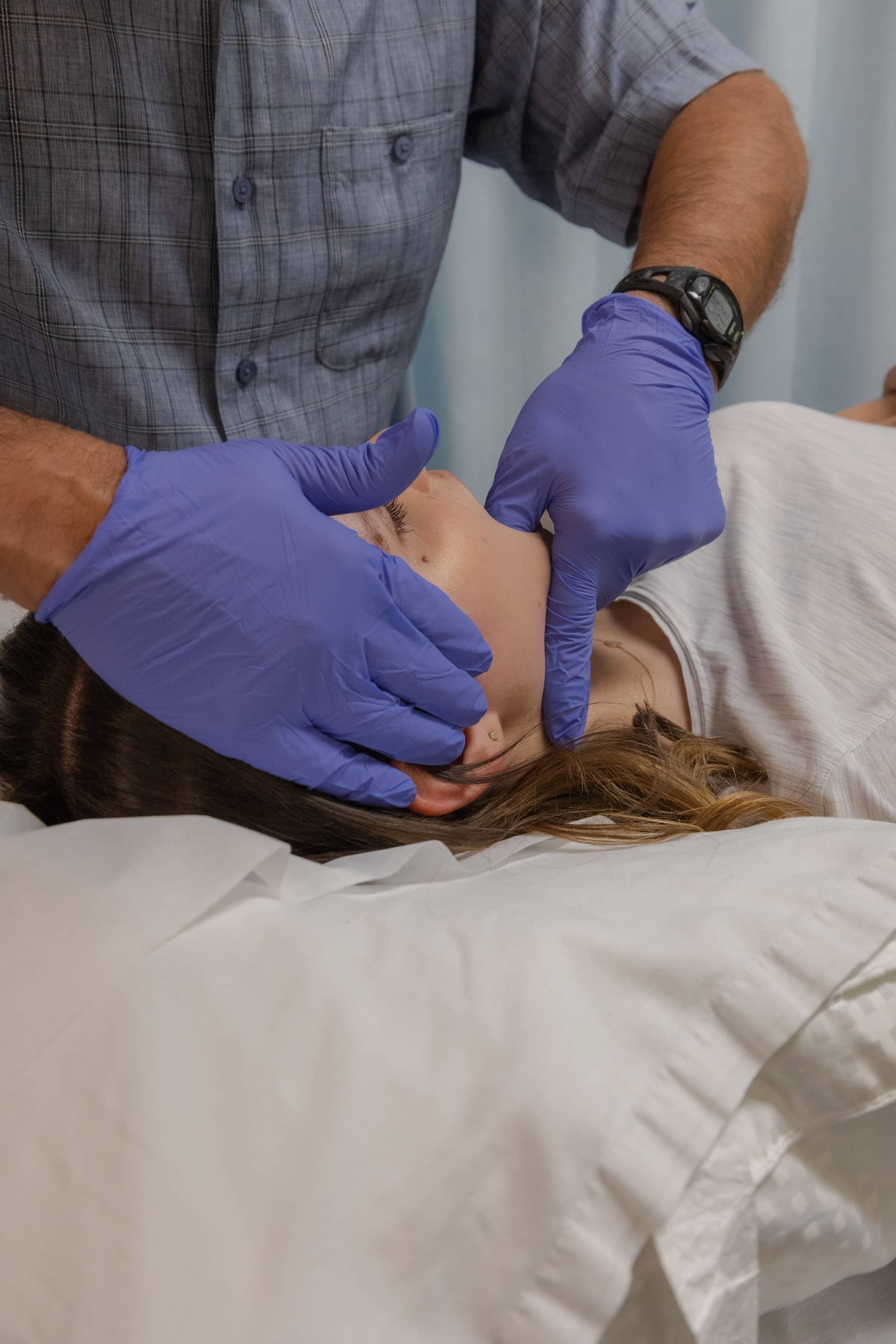
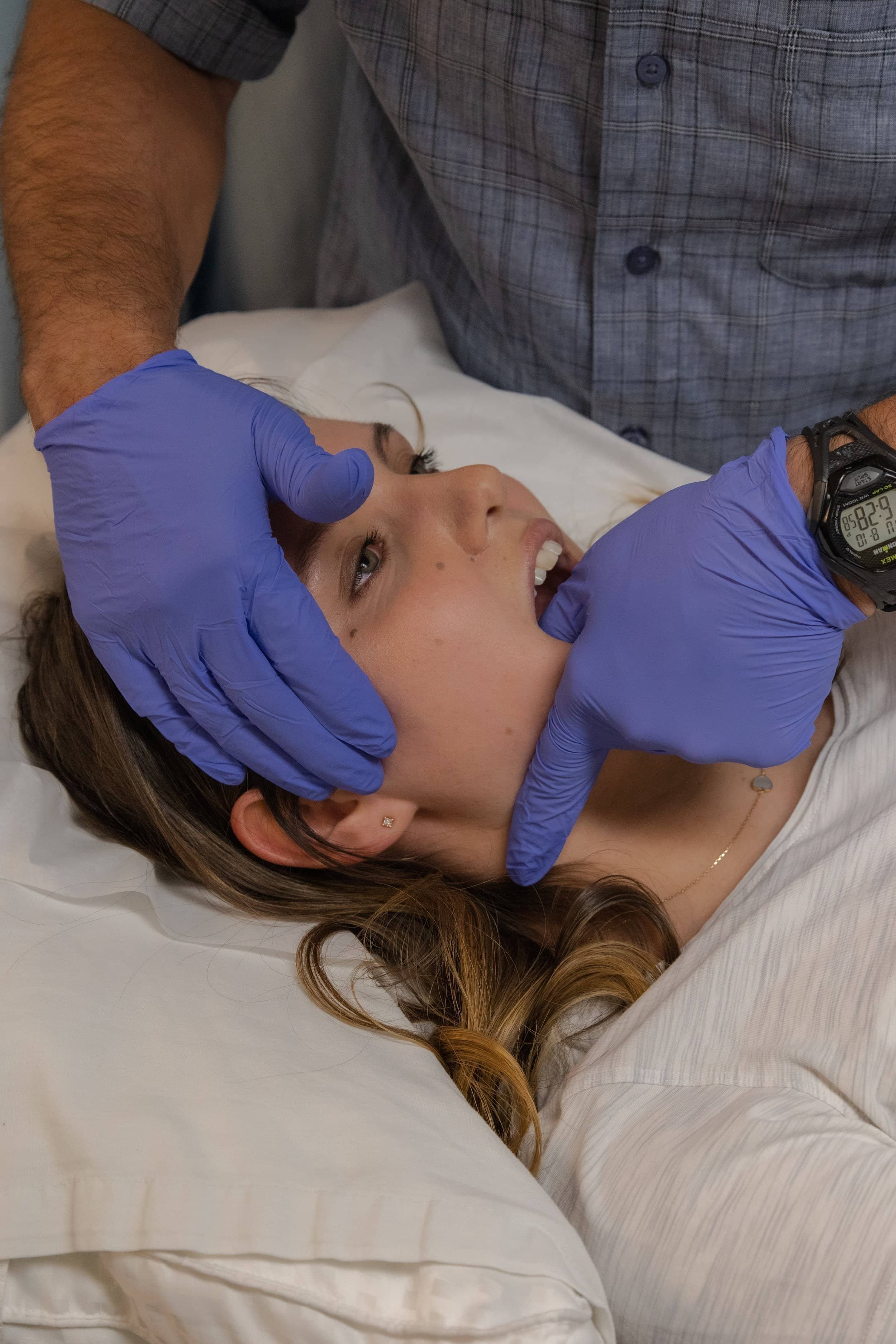
Treatment is individualized and may include education, therapeutic exercise, jaw mobility and coordination training, manual therapy, cervical rehabilitation, and strategies to reduce aggravating loads and improve everyday jaw function. When your condition involves dental, oral medicine, surgical, or other medical considerations, we believe in working collaboratively with the appropriate healthcare professionals.
Our goal is to help you understand your condition, improve jaw function, reduce pain, and return to eating, speaking, sleeping, and everyday activities with greater comfort and confidence.
What Is TMJ/TMD?
The temporomandibular joints (TMJs) are the two jaw joints located just in front of your ears. They connect your lower jaw to your skull and work together with the muscles of the jaw, face, and neck during chewing, speaking, yawning, and other everyday movements.
Temporomandibular disorders (TMDs) are a group of conditions that affect the jaw joints, the muscles used for chewing, or related structures. TMD can present differently from person to person, which is why an individualized assessment is important.
What Symptoms Can TMJ Disorders Cause?
TMD can cause symptoms involving the jaw as well as surrounding areas. Common symptoms may include:
Jaw or facial pain
Pain or difficulty with chewing
Jaw stiffness
Limited mouth opening
Painful clicking, popping, or grinding
Episodes of jaw locking
Headaches associated with jaw symptoms
Pain that extends into the face or neck
Tenderness or fatigue in the chewing muscles
Changes in comfortable jaw movement or function
Not every jaw sound indicates a disorder. Clicking or popping without pain or limitation is common and often does not require treatment. An assessment can help determine whether your symptoms are related to TMD and whether treatment is appropriate.
What Causes TMJ Pain?
There is not always one identifiable cause of TMD. Symptoms can develop following jaw or facial trauma, a motor vehicle accident, prolonged or excessive loading of the jaw, or changes in jaw function. Jaw clenching or bruxism may also contribute to symptoms in some people.
For many people, TMD is multifactorial, meaning several biological, physical, behavioural, and psychosocial factors may influence symptoms.
Importantly, TMD should not automatically be blamed on a person's bite or tooth alignment. Assessment focuses on understanding the factors relevant to the individual rather than assuming there is one universal cause.
Can TMJ Cause Headaches, Facial Pain or Neck Pain?
It can. TMD may be associated with headaches, facial pain, and pain extending into the neck. The jaw and cervical spine also function alongside one another during many everyday movements.
For this reason, a TMJ physiotherapy assessment may include both the jaw and cervical spine, particularly when a patient reports headaches, neck pain, previous whiplash, or symptoms involving several areas.
Not every headache, facial pain, or neck symptom originates from the TMJ, however. Your physiotherapist will assess your presentation and recommend further medical or dental evaluation when appropriate.
Why Does My Jaw Click or Pop?
Jaw clicking or popping can occur for several reasons, including changes in how structures within the temporomandibular joint move during opening and closing.
A very important distinction is whether the sound is accompanied by pain, locking, restricted movement, or difficulty using the jaw.
Painless clicking is common and does not necessarily require treatment. If your clicking is painful, your jaw catches or locks, your mouth opening has changed, or you are having difficulty chewing, an assessment may help determine what is contributing to the problem.
What If My Jaw Locks or I Can't Open My Mouth Fully?
Jaw locking or restricted mouth opening can occur with certain TMD presentations and can make eating, speaking, yawning, and dental care difficult.
A physiotherapy assessment can examine your jaw movement, mobility, muscle function, and other factors that may be contributing to the restriction.
Treatment depends on the underlying presentation. If your symptoms suggest that dental imaging, oral medicine assessment, or evaluation by another healthcare professional is required, we can work collaboratively with the appropriate provider.
How Can Physiotherapy Help TMJ Disorders?
Physiotherapy is one of the conservative treatment options that may help people with TMD.
Treatment is based on your assessment and may include:
Education and self-management strategies
Jaw mobility exercises
Jaw coordination and motor-control exercises
Therapeutic exercise
Manual therapy
Treatment of relevant cervical spine impairments
Strategies to reduce excessive jaw loading or aggravating habits
Gradual return to comfortable chewing and everyday jaw function
The goal is not simply to treat the location of pain. Treatment aims to improve movement and function, reduce symptoms, and give you practical strategies to manage your jaw confidently in everyday life.
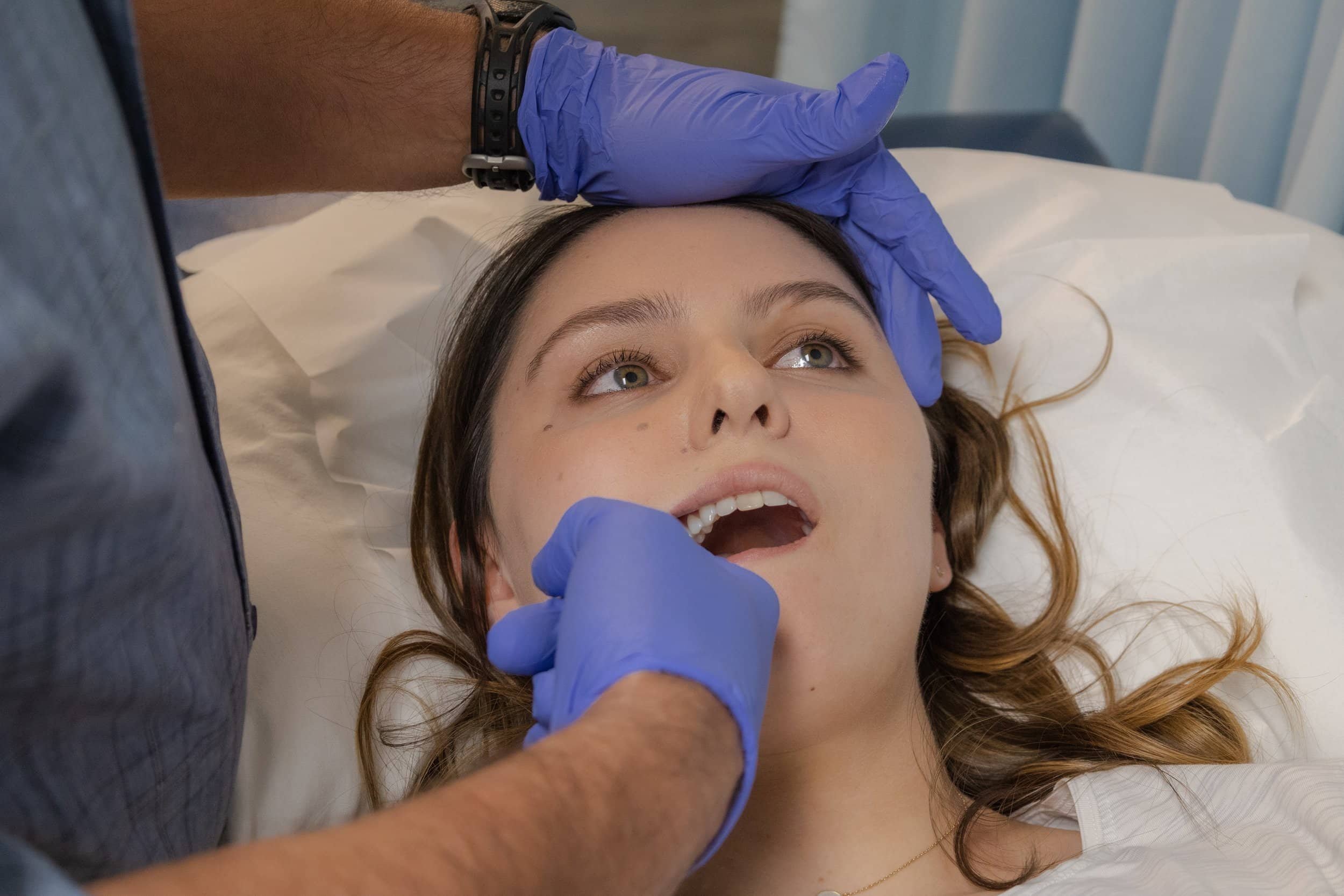
What Happens During a TMJ Physiotherapy Assessment?
Your first appointment begins with a detailed history. Your physiotherapist will ask about your jaw symptoms, headaches or facial pain, clicking or locking, chewing difficulties, dental history, previous injuries or procedures, neck symptoms, and activities that aggravate or relieve your symptoms.
The physical assessment may include:
Jaw opening and movement
Temporomandibular joint mobility
Jaw muscle function and tenderness
Movement coordination
Cervical spine mobility and function
Relevant neurological or musculoskeletal findings
Your physiotherapist will explain the findings and develop an individualized treatment plan. If your presentation requires dental, oral medicine, surgical, or other medical assessment, appropriate collaborative care or referral may be recommended.
TMJ Physiotherapy After Dental Work or Jaw Surgery
Some people require rehabilitation following dental or oral procedures, prolonged mouth opening during dental treatment, facial or jaw trauma, or jaw surgery.
Depending on the procedure and guidance from your surgeon or dental team, physiotherapy may help address restricted mouth opening, stiffness, muscle dysfunction, movement control, pain, and gradual restoration of jaw function.
Post-surgical rehabilitation must respect tissue healing and any precautions provided by your surgeon. When appropriate, we work alongside your dental, oral medicine, orthodontic, or surgical team to help coordinate rehabilitation.
The Connection Between the Jaw and Neck
The jaw does not function in isolation.
The jaw, head, and cervical spine work together during many everyday activities, and some people with TMD also experience neck pain, stiffness, headaches, or altered cervical function.
When clinically relevant, your TMJ assessment includes the neck as well as the jaw. Treatment may therefore address both areas rather than focusing only on the site of pain.
This is particularly important for patients whose jaw symptoms developed alongside neck pain, headaches, whiplash, or a motor vehicle accident.
Our Collaborative Approach to TMJ Care
TMD can involve more than one system, and some patients benefit from care involving several healthcare disciplines.
Strathcona Physical Therapy has a long history of working collaboratively with dentists, physicians, oral medicine professionals, orthodontists, and other healthcare providers involved in the management of jaw and orofacial conditions.
For more than 20 years, our physiotherapists have worked collaboratively with the University of Alberta Dentistry/Oral Medicine and Orofacial Pain teams, contributing physiotherapy expertise to the care of patients with complex TMJ, jaw, neck, and orofacial presentations. We also collaborate with clinicians associated with the Kaye Edmonton Clinic when coordinated care is appropriate.
This multidisciplinary approach allows physiotherapy to complement dental and medical management when a patient's condition requires more than one area of expertise.
Why Choose Strathcona Physical Therapy for TMJ Physiotherapy?
TMJ physiotherapy is not a new service at Strathcona Physical Therapy, it has been part of our clinical identity for decades.
As one of the pioneers of TMJ physiotherapy in Edmonton and Alberta, our clinic has developed extensive experience assessing and treating jaw and temporomandibular disorders, from common musculoskeletal presentations to more complex cases requiring multidisciplinary care.
Our TMJ program is distinguished by:
Decades of experience in TMJ and jaw rehabilitation
A history of pioneering TMJ physiotherapy care in Alberta
More than 20 years of collaboration with University of Alberta Dentistry/Oral Medicine and Orofacial Pain
Physiotherapists with advanced education and experience in TMJ/TMD assessment and rehabilitation
Collaboration with dentists, physicians, orthodontists, oral medicine clinicians, and other healthcare professionals
Assessment of the jaw and cervical spine as interconnected regions when clinically appropriate
An emphasis on individualized, conservative, evidence-informed care
Our history matters, but so does how we treat patients today. We combine that longstanding experience with current evidence and individualized assessment to determine what is, and what is not, appropriate for each patient.
TMJ Physiotherapy FAQs
Is TMJ the same as TMD?
Not exactly. TMJ refers to the temporomandibular joint itself. TMD refers to the group of disorders affecting the jaw joints, chewing muscles, and related structures. “TMJ” is commonly used by patients to describe jaw problems, which is why you will often hear both terms.
Do I need a referral for TMJ physiotherapy?
You can generally book a physiotherapy assessment without a physician or dentist referral. However, some extended health benefit plans may require a referral for reimbursement, and certain presentations may require collaboration with a dentist, physician, oral medicine specialist, or surgeon.
Does jaw clicking mean something is wrong?
Not necessarily. Painless clicking or popping is common and does not automatically require treatment. Clicking accompanied by pain, locking, restricted opening, or difficulty using your jaw is more appropriate to have assessed.
Can TMJ problems cause headaches?
Certain TMDs can be associated with headaches. However, headaches have many possible causes. A physiotherapy assessment can help determine whether your jaw or neck may be contributing to your symptoms and whether another healthcare assessment is appropriate.
Can TMJ physiotherapy help with a locked jaw?
Physiotherapy may be appropriate for some causes of restricted opening or jaw locking. Because locking can have different causes, assessment is important before deciding on treatment.
Can you treat TMJ problems after a car accident?
Yes. Jaw symptoms can occur alongside neck injuries, whiplash, or other problems following a motor vehicle accident. When appropriate, we assess the jaw, cervical spine, and related functional impairments as part of the rehabilitation process.
Can you help after jaw surgery?
Physiotherapy may be useful during recovery from certain jaw surgeries when recommended or permitted by the surgical team. Treatment is adapted to the procedure, stage of healing, surgical precautions, and your individual presentation.
Will I need a mouthguard or splint?
Physiotherapists do not assume that every patient with TMD requires an oral appliance. If a splint or other dental appliance may be appropriate, this should be discussed with the dentist or oral healthcare professional responsible for that aspect of your care.
How many TMJ physiotherapy sessions will I need?
There is no standard number of sessions. Treatment frequency and duration depend on your diagnosis or clinical presentation, symptom duration, functional limitations, treatment goals, and response to rehabilitation.
When should I have my jaw assessed?
Consider an assessment if you have persistent or worsening jaw pain, painful clicking, restricted mouth opening, recurrent locking, difficulty chewing, or jaw symptoms that are interfering with everyday activities.
Transform Your Health at Strathcona Physical Therapy: Comprehensive, Customized, and Caring Approach

Assessment & Diagnosis
Our experts conduct a comprehensive evaluation of your medical history, lifestyle, and pain levels to provide an accurate diagnosis.

Personalized Therapy Plans
Based on your unique needs, we design an optimal rehabilitation program using scientifically backed methods.

Innovative Treatments
Our diverse range of interventions, such as hands-on techniques and exercises, are guided by an experienced team that focuses on patient engagement and empowerment.

Evidence-Based Excellence
We employ scientifically backed therapy methods, harmonizing evidence-based research with skilled therapy to achieve effective treatments and positive outcomes.

Caring Therapists
Our skilled therapists combine technique and compassion to guide you towards a path of recovery and optimal health.

Why Choose Us!
Choose Strathcona Physical Therapy for precise assessments, customized treatment plans, and compassionate care. Schedule an appointment today for a different rehabilitation experience.

Insurance covered:
At Strathcona Physical Therapy, we work with most insurance providers for accessible care.