Massage Therapy in Edmonton
Personalized Care to Help You Move, Recover and Feel Better
Massage therapy can help address muscle tension, pain, stiffness, and the physical demands of everyday life, while also providing an opportunity to relax and recover.
At Strathcona Physical Therapy, our Registered Massage Therapy services are tailored to your individual needs and goals, whether you’re recovering from an injury, managing neck or shoulder discomfort, experiencing tension headaches, staying active with sport or exercise, or looking to reduce muscle tension and stress.
Treatment may include therapeutic massage, Myofascial Release, Trigger Point Therapy, and other hands-on techniques selected based on your needs, preferences, and goals.


How Can Massage Therapy Help?
Massage therapy can be used to address muscle tension, discomfort, stiffness, and recovery, while also providing an opportunity to relax and manage the physical effects of stress.
At Strathcona Physical Therapy, massage therapy may help with:
Neck, Shoulder & Back Tension
Hands-on treatment can help reduce muscle tension and stiffness that may develop with prolonged sitting, repetitive activities, physical work, exercise, or everyday demands.
Tension Headaches
When headaches are associated with muscle tension in the neck, shoulders, or upper back, massage therapy may help address contributing muscular discomfort and promote relaxation.
Sports & Exercise Recovery
Massage therapy can support recovery from training and physical activity by addressing muscle soreness, tightness, and areas that may feel restricted after exercise or sport.
Soft-Tissue Injuries & Rehabilitation
Massage therapy may be incorporated into recovery from some muscle and soft-tissue injuries to address discomfort, tension, and mobility as you gradually return to activity.
Persistent Muscle Tension & Discomfort
For people experiencing recurring muscle tightness or discomfort, treatment can be tailored to the areas that are most bothersome and to your individual tolerance and goals.
Stress & Relaxation
Massage therapy can also provide dedicated time to slow down, relax, and reduce the physical tension that can accompany periods of increased stress or demanding routines.
Your massage therapy treatment is individualized based on your symptoms, preferences, comfort, and goals rather than following the same routine for every person.
Meet Our Registered Massage Therapist
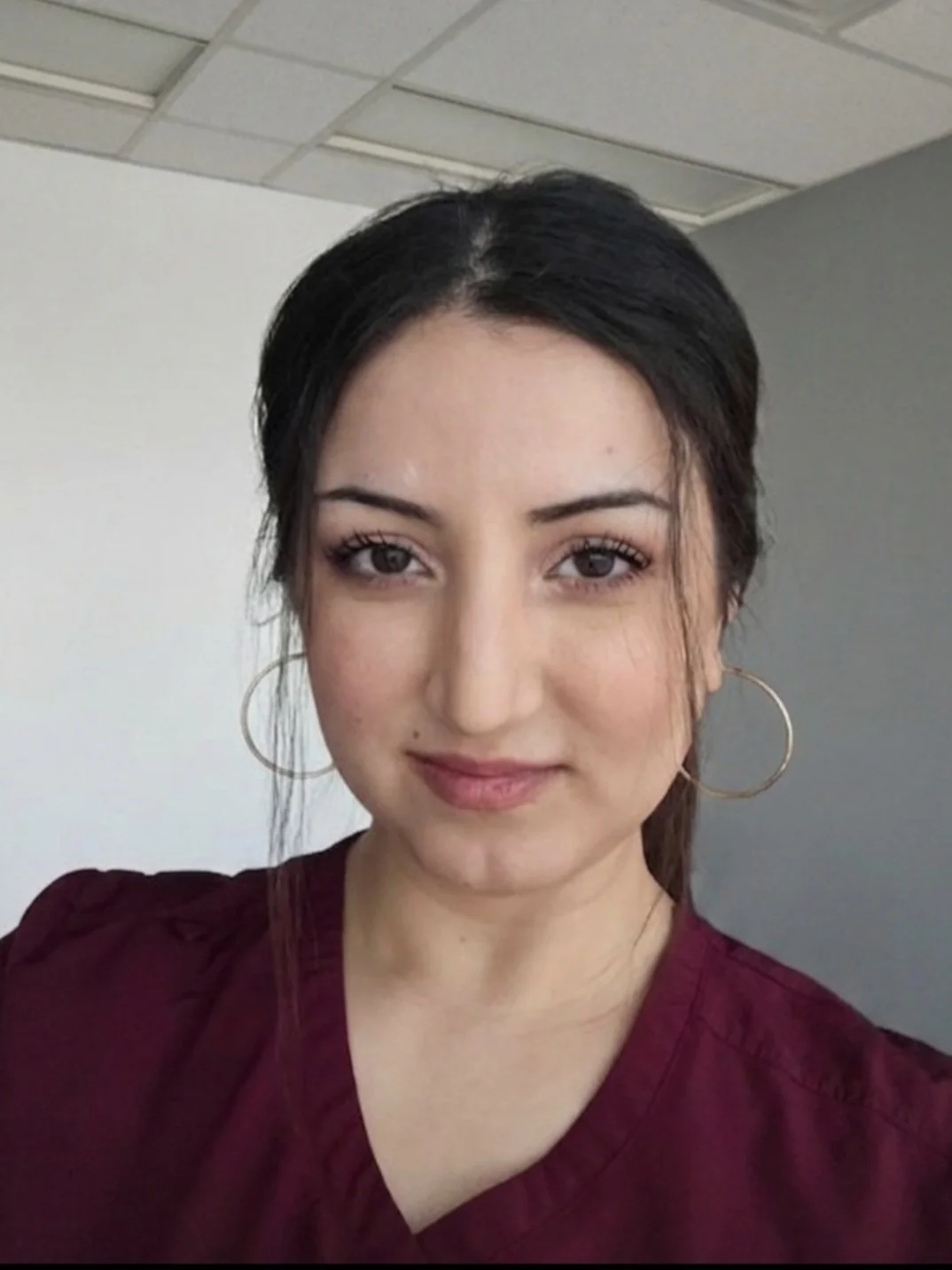
Flora Abtahi, RMT
Registered Massage Therapist
Clinical Interests: Therapeutic Massage • Myofascial Release • Trigger Point Therapy • Chronic Neck & Shoulder Pain • Tension Headaches • Soft-Tissue & Sports-Related Concerns
Flora is a Registered Massage Therapist with a strong background in rehabilitation and patient care. She completed a comprehensive 3,000-hour Massage Therapy program and brings an understanding of movement, musculoskeletal health, and rehabilitation into her approach to massage therapy.
Her treatments are individualized based on each person’s symptoms, comfort, and goals. Flora uses a combination of therapeutic massage, Myofascial Release, and Trigger Point Therapy to address muscle tension, discomfort, stiffness, and soft-tissue restrictions.
Flora has a particular interest in working with people experiencing chronic neck and shoulder pain, tension headaches, postural and movement-related concerns, and soft-tissue injuries. She also enjoys supporting active individuals with muscle tension and recovery related to exercise, work, and everyday physical demands.
Her approach is thoughtful and patient-centred, with treatment adapted to each person rather than following the same routine for everyone. Whether the goal is reducing persistent muscle tension, supporting rehabilitation, improving comfort with movement, or simply taking time to relax and recover, Flora works with each client to provide care that fits their needs.
What to Expect at Your Massage Therapy Appointment
Your massage therapy appointment begins with a brief conversation about what is bothering you, what you would like help with, and what you hope to get from your treatment.
Before treatment, your Registered Massage Therapist may ask about your health history, current symptoms, previous injuries, daily activities, and any areas of tension or discomfort. Depending on your needs, movement or the affected area may also be briefly assessed to help guide treatment.
Treatment Personalized to You
Your massage is tailored to your comfort, preferences, symptoms, and goals. Treatment may focus on a specific area, such as the neck, shoulders, back, or legs, or involve a broader approach based on what you are experiencing.
Pressure can be adjusted throughout the appointment, and you are encouraged to communicate what feels comfortable or if you would like anything changed.
Your Comfort & Consent Matter
Your therapist will explain the treatment and discuss the areas being addressed. Professional draping is used throughout your appointment, and only the area being treated is uncovered.
You remain in control of your treatment. You can ask questions, request a change in pressure or positioning, or ask to stop or modify any part of the treatment at any time.
After your massage, your therapist may discuss relevant self-management strategies or recommendations based on your individual needs.
Our goal is for you to feel comfortable, informed, and involved in your care from beginning to end.

Our Massage Therapy Services
Massage therapy at Strathcona Physical Therapy is individualized rather than based on a one-size-fits-all routine. Your Registered Massage Therapist may use or combine different approaches depending on your symptoms, preferences, comfort, and treatment goals.
Therapeutic Massage
A focused approach for areas of muscle tension, stiffness, or discomfort. Treatment is adapted to the areas affecting you and may incorporate different hands-on techniques based on your needs.
Deep Tissue Massage
Deeper pressure and techniques may be used when appropriate to address areas of persistent muscle tension and stiffness. Pressure is always adjusted to your comfort and does not need to be painful to be effective.
Myofascial Release
Myofascial Release uses sustained, hands-on techniques directed toward the muscles and surrounding connective tissues. It may be incorporated when areas feel tight or restricted and are affecting comfort or movement.
Trigger Point Therapy
Focused pressure and other manual techniques may be used to address sensitive or tense areas within muscles that may contribute to local or referred discomfort.
Sports & Exercise Massage
Treatment can be tailored to the physical demands of training, sport, or exercise, with a focus on muscle tension, soreness, recovery, and maintaining comfortable movement.
Relaxation Massage
Massage can also be used primarily for relaxation and stress management. Treatment may use gentler, rhythmic techniques to help reduce physical tension and provide an opportunity to relax and recover.
Treatment Lengths to Fit Your Needs
Different massage therapy appointment lengths are available depending on the areas you would like addressed and the amount of treatment time you prefer. Current appointment options and fees are available through our online booking system.
Massage Therapy for Neck & Shoulder Tension and Tension Headaches
Neck and shoulder tension is common and can develop for many reasons, including prolonged sitting, repetitive work, physical activity, stress, changes in movement, or increased muscular demand.
For some people, tension and sensitivity through the neck, shoulders, and upper back may also occur alongside tension-type headaches, making it uncomfortable to work, exercise, sleep, or manage everyday activities.
Massage therapy can be tailored to areas such as the neck, upper back, shoulders, and surrounding muscles, with treatment focused on reducing muscle tension, improving comfort, and helping you move more comfortably.
Depending on your needs, treatment may incorporate:
Therapeutic massage
Myofascial Release
Trigger Point Therapy
Deeper pressure when appropriate and comfortable
Gentle techniques for relaxation and stress-related tension
Treatment of related areas contributing to your symptoms
Looking Beyond the Area That Hurts
Where you feel discomfort is not always the only area worth considering. Your massage therapist may also consider your daily activities, work demands, exercise, posture, movement, and other areas of muscle tension when determining how to approach treatment.
When neck pain or headaches are persistent, complex, or associated with other symptoms, massage therapy may also be used alongside physiotherapy or other appropriate healthcare services as part of a broader approach to care.
Treatment is always adapted to your symptoms, comfort, and individual goals.
Sports, Exercise & Soft-Tissue Recovery
You don't have to be a competitive athlete to place physical demands on your body. Running, weight training, recreational sports, physically demanding work, and regular exercise can all contribute to muscle soreness, tension, and areas that feel tight or uncomfortable.
Massage therapy can be incorporated into your recovery routine to address muscle tension, soreness, and soft-tissue discomfort while supporting comfortable movement between training, work, and everyday activities.
Massage Therapy for Active Bodies
Depending on your needs and goals, treatment may focus on:
Muscle soreness and tension following exercise
Areas that feel tight or restricted
Recovery between training sessions or sporting activities
Soft-tissue discomfort associated with repetitive activity
Muscle tension related to physically demanding work
Supporting comfortable movement during rehabilitation
Managing muscular demands as you return to activity
Treatment can be adjusted based on where you are in your training or recovery, whether you are preparing for an activity, recovering afterward, or managing ongoing muscular tension.
Working Alongside Your Rehabilitation
If you are recovering from an injury, massage therapy may be incorporated alongside physiotherapy and active rehabilitation when appropriate.
Massage therapy can help address muscle tension and discomfort, while physiotherapy may focus more broadly on areas such as strength, mobility, movement, load tolerance, and return to activity or sport.
The goal is to help you recover comfortably, stay active, and continue doing the activities that matter to you.
Myofascial Release & Trigger Point Therapy
Muscles and surrounding soft tissues can sometimes become sensitive, tense, or uncomfortable, contributing to pain, stiffness, or a feeling of restricted movement.
Depending on your symptoms and treatment goals, your Registered Massage Therapist may incorporate Myofascial Release and Trigger Point Therapy as part of your massage treatment.
Myofascial Release
Myofascial Release uses slower, sustained hands-on techniques directed toward muscles and the surrounding connective tissues.
Rather than following a standard massage routine, the therapist works with areas that feel tense or restricted, adjusting pressure and technique based on your comfort and how your body responds.
Myofascial techniques may be incorporated to help reduce feelings of tension, improve comfort, and support easier movement.
Trigger Point Therapy
Some areas within a muscle can become particularly sensitive or tender and may produce discomfort locally or in another area.
Trigger Point Therapy uses focused, controlled pressure and other manual techniques to these sensitive areas. Pressure is adjusted to your tolerance and does not need to be excessively painful to be useful.
Part of an Individualized Treatment
Myofascial Release and Trigger Point Therapy are not necessarily separate treatments. Your massage therapist may combine them with therapeutic massage, deeper or gentler techniques, and other hands-on approaches depending on what is most appropriate for you.
The goal is not simply to treat a “tight spot,” but to provide massage therapy that considers your symptoms, comfort, movement, activities, and overall treatment goals.
Relaxation, Stress & Recovery
You don't need to be injured or experiencing significant pain to benefit from massage therapy. Sometimes the goal is simply to slow down, reduce physical tension, and give your body time to recover from the demands of everyday life.
Periods of increased stress can be accompanied by muscle tension, difficulty relaxing, changes in sleep, and a general feeling of physical fatigue or discomfort. Massage therapy provides dedicated time to step away from those demands and focus on your comfort and well-being.
Massage Tailored to How You Want to Feel
If relaxation is your primary goal, treatment can use gentler pressure, slower techniques, and a comfortable pace based on your preferences.
Massage therapy may be a good option when you are looking to:
Reduce feelings of muscle tension
Relax after a demanding period of work or activity
Take time for physical recovery
Manage stress-related muscular tension
Feel more comfortable after prolonged sitting or repetitive activity
Incorporate regular massage into your self-care routine
You can also let your massage therapist know if you prefer a quieter treatment, lighter or deeper pressure, or more or less conversation during your appointment. Your preferences are an important part of your care.
Whether you come for a specific concern or simply want time to relax and recover, your massage is personalized to what you need from that appointment.
Massage Therapy as Part of Your Rehabilitation
Massage therapy can be a standalone service or, when appropriate, one part of a broader rehabilitation plan.
If you are recovering from an injury, motor vehicle accident, sports-related concern, or experiencing persistent pain or muscle tension, massage therapy may help address muscular discomfort, tension, stiffness, and soft-tissue sensitivity while other aspects of your recovery are addressed through active rehabilitation.
Working Together When It Benefits You
At Strathcona Physical Therapy, our multidisciplinary team offers services including physiotherapy, concussion and vestibular rehabilitation, TMJ physiotherapy, occupational therapy, psychology, massage therapy, and dietitian services.
When appropriate and with your involvement, your massage therapist can work alongside other members of your healthcare team so that different aspects of your recovery are considered.
For example, massage therapy may focus on muscle tension and comfort, while physiotherapy may address areas such as mobility, strength, balance, movement, load tolerance, and return to work, exercise, or sport.
You do not need to be receiving another service at our clinic to book massage therapy. Massage appointments are available to anyone looking for individualized care, whether or not you are currently participating in rehabilitation.
Insurance & Direct Billing
Massage therapy provided by a Registered Massage Therapist (RMT) may be covered through your extended health benefits, depending on your individual insurance plan.
Extended Health Benefits
Many benefit plans include coverage for Registered Massage Therapy. The amount of coverage, annual limits, referral requirements, and other conditions vary between insurance providers and individual plans.
We recommend checking your benefits before your appointment to confirm your coverage.
Direct Billing
Direct billing may be available for eligible insurance plans, making it easier to access your massage therapy benefits without having to submit the claim yourself.
Coverage and direct billing eligibility depend on your individual plan. Any remaining balance not covered by your insurer is the patient’s responsibility.
Questions About Your Coverage?
If you are unsure about your massage therapy benefits or whether we can direct bill your insurance provider, contact our clinic before your appointment. Our administrative team will be happy to help you understand your billing options.

Why Choose Strathcona Physical Therapy for Massage Therapy?
Massage therapy should be more than following the same routine at every appointment. At Strathcona Physical Therapy, care is personalized to your body, your comfort, and what you want to get from your treatment.
Experienced, Professional Care
Our Registered Massage Therapist, Flora Abtahi, completed a comprehensive 3,000-hour Massage Therapy program and brings a strong understanding of rehabilitation, movement, and musculoskeletal health to her treatments.
Treatment Personalized to You
Every appointment begins with understanding what you need that day. Treatment, pressure, positioning, and techniques can be adjusted based on your symptoms, preferences, comfort, and goals.
Therapeutic & Relaxation Options
Whether you are looking for help with muscle tension, neck and shoulder discomfort, exercise recovery, soft-tissue concerns, or simply relaxation, your massage can be tailored accordingly.
Specialized Hands-On Approaches
Depending on your needs, treatment may incorporate therapeutic massage, deeper techniques, Myofascial Release, and Trigger Point Therapy.
Part of a Multidisciplinary Clinic
When appropriate, massage therapy can complement services such as physiotherapy and other rehabilitation services available within our clinic. You can also book massage therapy independently without receiving any other service at Strathcona.
Your Comfort Comes First
Communication, consent, professional draping, and your preferences are important throughout your appointment. You are always encouraged to let your therapist know what feels comfortable and what you would like adjusted.
Our goal is to provide massage therapy that helps you feel better, move more comfortably, and leave your appointment feeling that the treatment was truly tailored to you.
Massage Therapy FAQs
Do I need a referral for massage therapy?
You can generally book an appointment with a Registered Massage Therapist without a referral. However, some extended health benefit plans may require a physician’s referral for reimbursement. We recommend checking the requirements of your individual insurance plan.
What should I expect at my first massage therapy appointment?
Your therapist will begin by discussing your concerns, health history, areas of tension or discomfort, and what you would like to get from your appointment. Treatment is then tailored to your needs, preferences, comfort, and goals.
What should I wear to my massage appointment?
This depends on the areas being treated and the type of treatment being provided. Your therapist will explain your options and ensure you are comfortable. Professional draping is used throughout treatment, and only the area being treated is uncovered.
Do I have to remove my clothing?
No. Your comfort and consent are always important. Your therapist will discuss what is appropriate for the treatment, and you can choose the level of undressing you are comfortable with. Treatment can be modified accordingly.
Should massage therapy hurt?
Massage does not need to be painful to be effective. Some techniques may involve firmer pressure, but treatment should remain within a level that is comfortable and appropriate for you. You can ask your therapist to change the pressure at any time.
What type of massage should I book?
You do not necessarily need to know which technique you need before your appointment. Your Registered Massage Therapist can discuss your concerns and goals and determine whether therapeutic massage, deeper techniques, Myofascial Release, Trigger Point Therapy, relaxation techniques, or a combination may be appropriate.
How long should my massage appointment be?
The appropriate appointment length depends on the number of areas you would like addressed, your treatment goals, and your personal preference. Different appointment lengths are available through our online booking system.
Can I book massage therapy if I am not a physiotherapy patient?
Yes. Anyone can book massage therapy at Strathcona Physical Therapy. You do not need to be receiving physiotherapy or another service at our clinic.
Can massage therapy be part of injury rehabilitation?
Massage therapy may be incorporated into rehabilitation when appropriate to help address muscle tension, discomfort, stiffness, or soft-tissue sensitivity. Depending on the injury, it may be used alongside physiotherapy or other healthcare services.
Is massage therapy covered by insurance?
Many extended health benefit plans include coverage for services provided by a Registered Massage Therapist. Coverage amounts, referral requirements, and annual limits vary, so we recommend checking your individual plan.
Do you offer direct billing for massage therapy?
Direct billing may be available for eligible insurance plans. Please contact our clinic if you would like to confirm whether direct billing is available through your specific insurance provider.
Can I tell my massage therapist how much pressure I prefer?
Absolutely. Pressure is personalized throughout your appointment. You are encouraged to tell your therapist if you would like lighter or deeper pressure, if an area feels uncomfortable, or if you would like any part of the treatment changed.